Soft Snickerdoodle Cookies — Chewy, Tangy, and Perfectly Cinnamon-Sugared
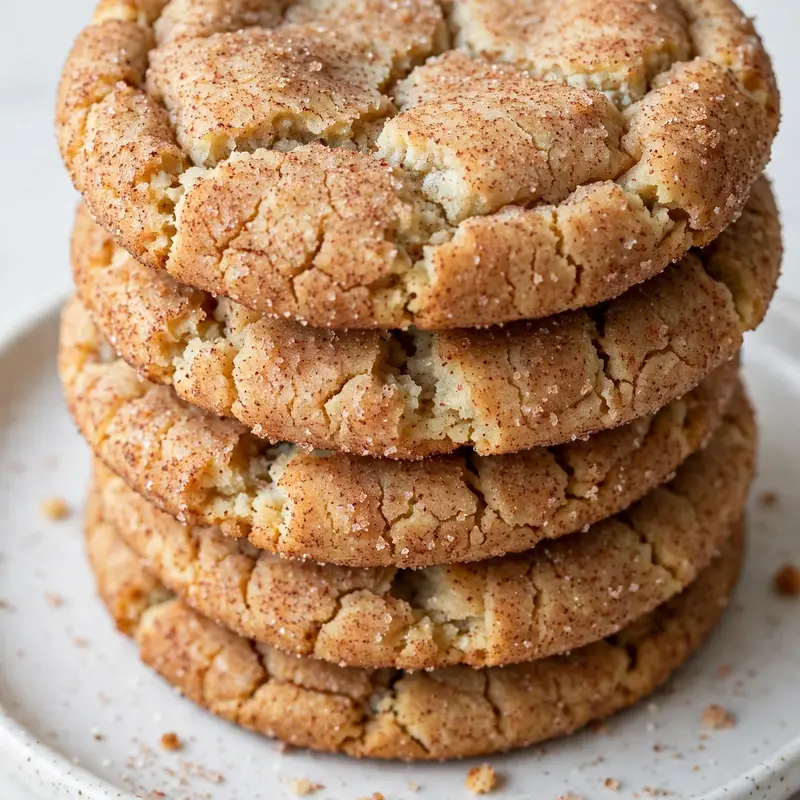
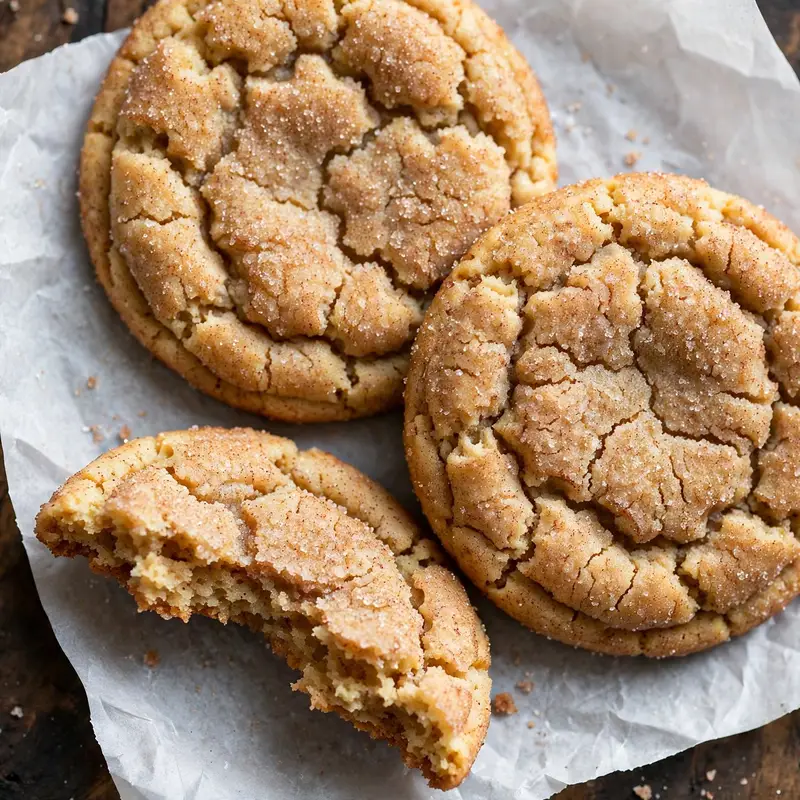
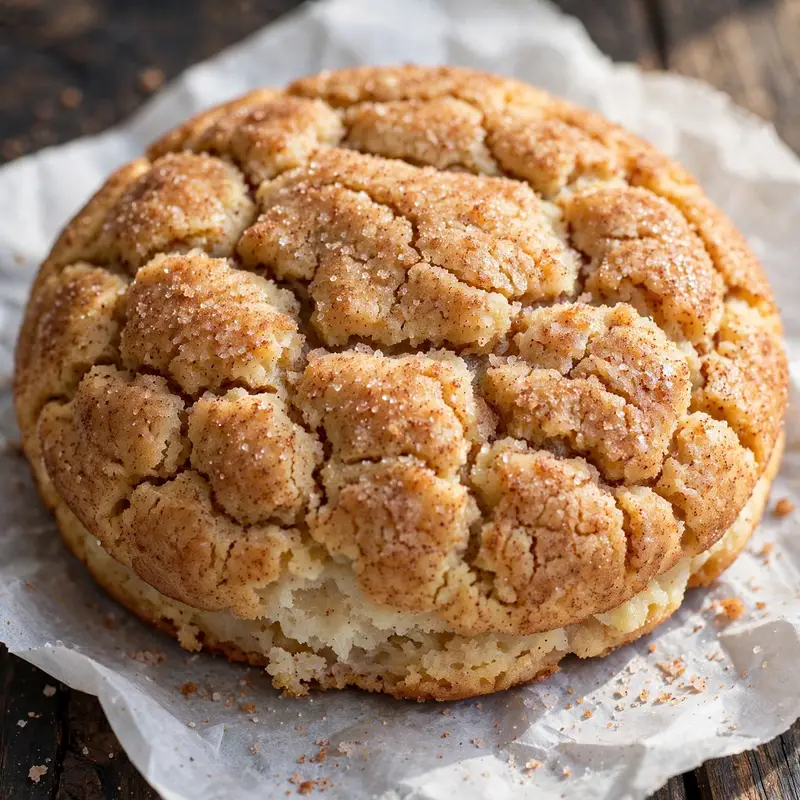
There’s a specific thing that happens when a snickerdoodle comes out of the oven correctly: the edges are just set, the center is still slightly puffed, and the cinnamon sugar coating has baked into a faintly crackled crust. Ten minutes later, when it cools on the rack, that center settles into the dense, chewy texture that people keep coming back for. It’s different from a sugar cookie, and it should be.
The difference comes from cream of tartar. That one ingredient gives snickerdoodle cookies their slight tang, their soft chew, and the texture that separates them from every other cinnamon-coated shortcut. This recipe uses it properly, pairs it with softened butter rather than melted (which matters for spread), and gives you 36 cookies that hold their texture for three full days after baking. They work for holiday cookie trays, school bake sales, or the kind of Tuesday afternoon when you just want the house to smell like cinnamon.
Why You’ll Love These Snickerdoodle Cookies
- Chewy center, not cakey. The butter-to-flour ratio and the short bake time keep the center dense and slightly underdone when the cookies come out of the oven. They firm up to the right chew as they cool, and they stay that way for days without turning hard.
- Cream of tartar does what baking powder can’t. It reacts with the baking soda to create the signature tangy flavor and soft, puffy texture that makes a snickerdoodle recognizable. A cookie made without it tastes like a cinnamon sugar cookie, which is not the same thing.
- One bowl, no mixer required. Softened butter and sugar can be beaten together by hand with a wooden spoon. The dough comes together in about 5 minutes and needs no special equipment.
- 36 cookies from one batch. The dough yields enough for a full cookie tray plus a meaningful stash for a cookie tin or gift box. They also freeze well, so a single baking session stocks the freezer for weeks.
- The cinnamon sugar ratio is calibrated. Three tablespoons of sugar to 1.5 teaspoons of cinnamon gives you a coating that caramelizes lightly during baking rather than turning gritty or falling off the cookie surface.
Ingredients You’ll Need
Recipe Timing
| Detail | Info |
|---|---|
| Yield | 36 cookies |
| Difficulty | Easy |
| Course | Dessert, Snack |
| Cuisine | American |
| Prep Time | 15 minutes |
| Chill Time | 30 minutes |
| Cook Time | 12 minutes per batch |
| Total Time | 57 minutes |
Use butter that has been sitting at room temperature for at least an hour. It should hold a thumbprint when you press it but not look shiny or greasy. Butter that is too cold won’t cream properly, and butter that is too soft produces cookies that spread too thin and lose their chewy center.
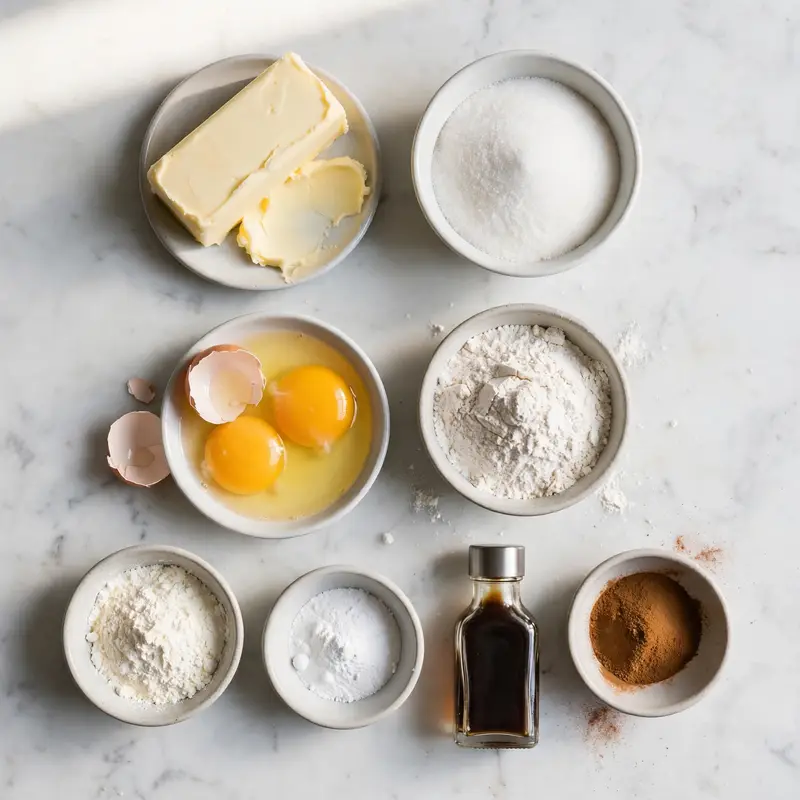
For the Cookie Dough:
- 1 cup (225g) unsalted butter, softened to room temperature — Unsalted gives you control over the salt level, which matters in a cookie this simple. Salted butter can be used but reduce the added salt to just a pinch.
- 1 1/2 cups (300g) granulated white sugar — The entire structure of the cookie depends on this amount. Don’t substitute brown sugar here; its moisture content changes the spread and chew, which moves the texture away from the classic snickerdoodle profile.
- 2 large eggs, at room temperature — Cold eggs don’t incorporate as smoothly into the butter mixture. Pull them from the fridge when you pull the butter.
- 1 tsp pure vanilla extract — Supports the overall flavor without being detectable on its own. Imitation vanilla works but the result is slightly flatter.
- 2 3/4 cups (345g) all-purpose flour, measured correctly — Spoon the flour into your measuring cup and level it off. Scooping directly from the bag compacts the flour and adds 20 to 30 grams more than intended, which makes the cookies dry and dense.
- 2 tsp cream of tartar — The ingredient that makes a snickerdoodle a snickerdoodle. It provides the tang, activates the baking soda without adding more rise than the recipe needs, and produces the characteristic chewy pull in the finished cookie. Do not substitute baking powder.
- 1 tsp baking soda — Works with the cream of tartar to give the cookies their slight lift without making them cakey.
- 1/4 tsp fine salt — Sharpens the overall flavor and keeps the sweetness from tasting flat.
For the Cinnamon Sugar Coating:
- 3 tbsp granulated white sugar
- 1 1/2 tsp ground cinnamon — Ceylon cinnamon has a slightly sweeter, more delicate flavor than the more common Cassia variety. Either works. Cassia is what most people recognize as the classic snickerdoodle flavor, and it’s more widely available.
Allergen and Dietary Disclosure
This recipe contains dairy (butter), eggs, and gluten (all-purpose flour). For a dairy-free version, replace the butter with an equal weight of solid coconut oil or a plant-based butter block that is suitable for baking (not a spread, which contains too much water). The texture is slightly less rich but the cookies hold together well. For a gluten-free version, a 1:1 gluten-free flour blend works at a direct substitution; add an extra 2 tablespoons of the blend to compensate for the slightly lower protein content, and expect the cookies to spread a little more during baking.
This recipe contains no nuts in its base form, but cinnamon is a spice that is sometimes processed in shared facilities with tree nuts. Check your cinnamon label if you are managing a nut allergy.
This recipe has not been prepared in an allergen-free facility. Always check individual product labels if you are managing a serious allergy.
Equipment Needed
- Large mixing bowl and wooden spoon or hand mixer — A hand mixer on medium speed gets the butter and sugar to the right light, fluffy consistency in about 3 minutes. By hand with a wooden spoon it takes closer to 5 minutes but works perfectly well. Stand mixers are fine but unnecessary for this recipe volume.
- Kitchen scale — Flour measurement is where most cookie recipes go wrong. A scale eliminates the guesswork entirely. 345g of flour is 345g every time, regardless of how packed your bag is.
- Baking sheets (at least two) — Rimmed or rimless both work. Darker pans absorb more heat and produce more browned bottoms; lighter pans produce more even baking. If you only have dark pans, reduce the oven temperature to 175°C (350°F) and check at 11 minutes.
- Parchment paper or silicone baking mats — Either prevents sticking without greasing, which would add extra fat and change the cookie spread. Don’t use aluminum foil; it conducts heat differently and can over-brown the bottoms.
- Cookie scoop (medium, approximately 1.5 tablespoons) — Portion consistency is what gives you evenly baked cookies across the whole tray. Hand-rolled balls of uneven sizes bake at different rates, and the smaller ones burn before the larger ones are done.
- Wire cooling rack — Cookies need airflow underneath while they cool. Left on the baking sheet, residual heat from the pan keeps cooking the bottoms and makes the edges tougher than they should be.
Step-by-Step Directions
Step 1: Cream the Butter and Sugar
Put the softened butter and granulated sugar in your large mixing bowl. Beat on medium speed (or by hand with firm strokes) for 3 to 5 minutes until the mixture looks noticeably lighter in color and has a fluffy, slightly airy texture. The volume increases visibly as air gets incorporated. This step sets up the structure of the cookie, so don’t rush it.

Chef’s Note: The difference between properly creamed butter-sugar and under-creamed is real. Under-creamed produces a denser, flatter cookie. You’re looking for a mixture that has gone from yellow and heavy to nearly pale cream and slightly increased in volume.
Step 2: Add Eggs and Vanilla
Add the eggs one at a time, beating after each addition until fully combined before the next one goes in. Scrape the sides of the bowl between additions. Add the vanilla extract with the second egg. The mixture should look smooth and cohesive, not curdled or separated.

Step 3: Combine the Dry Ingredients
In a separate bowl, whisk together the flour, cream of tartar, baking soda, and salt. Whisking distributes the leavening and cream of tartar evenly through the flour so they don’t create uneven pockets in the dough.
Chef’s Note: Don’t add the cream of tartar and baking soda directly to the butter mixture without first combining them with the flour. They react immediately when they hit moisture, and you need that reaction to happen in the oven, not in the bowl.
Step 4: Mix the Dough
Add the dry ingredient mixture to the butter mixture in two additions, stirring gently after each until just combined. Stop mixing the moment no dry streaks of flour are visible. Overmixing develops the gluten and makes the cookies tougher. The dough will be soft and slightly sticky, which is correct.
Step 5: Chill the Dough
Cover the bowl with plastic wrap and refrigerate for 30 minutes. This step is optional but genuinely worth it. Cold dough spreads more slowly during baking, which gives the centers more time to set before the edges flatten out. The result is a thicker cookie with a more defined chewy center.
Chef’s Note: I’ve baked this dough both chilled and straight from the bowl. The unchilled version spreads a few millimeters more and the center is slightly thinner. Both taste the same, but the chilled version has the classic domed, crinkled appearance that makes snickerdoodles recognizable. If you have 30 minutes, use them.
Step 6: Prep the Coating and Preheat
Preheat your oven to 190°C (375°F). Line two baking sheets with parchment paper. Combine the 3 tablespoons of sugar and 1.5 teaspoons of cinnamon in a shallow bowl and stir until evenly mixed.

Step 7: Portion and Roll
Scoop the dough into balls approximately 1.5 tablespoons each. Roll each ball between your palms until round and smooth, then drop it into the cinnamon sugar bowl and roll to coat the entire surface. Place the coated balls on the lined baking sheets about 5 cm (2 inches) apart. They spread during baking, and crowded cookies merge at the edges and bake unevenly.
Step 8: Bake and Cool
Bake one sheet at a time on the center rack at 190°C (375°F) for 10 to 12 minutes. The cookies are ready when the edges look set and faintly golden, and the centers still look slightly underdone and puffed. They will firm up as they cool. Pull them out at 10 minutes for a softer, chewier result; 12 minutes gives you slightly crisper edges with the same chewy center. Let the cookies cool on the baking sheet for exactly 5 minutes before transferring to a wire rack; they are too fragile to move immediately and will crack.
Chef’s Note: The cookies look underdone when you pull them, and that is exactly right. The center continues setting for several minutes on the hot baking sheet. Waiting until the center looks done through the oven window produces cookies that are dry and hard by the time they cool completely.
Common Mistakes and Troubleshooting
| Problem | Cause | Solution |
|---|---|---|
| Cookies spread too thin and flat | Butter too soft or melted, or dough not chilled | Butter should be soft but hold its shape. Chill the dough for 30 minutes before rolling. |
| Cookies are dry and cakey rather than chewy | Too much flour, or overbaked | Measure flour by weight. Pull cookies at 10 to 11 minutes when centers still look slightly underdone. |
| Cinnamon sugar coating falls off the baked cookie | Dough balls were too cold and dry when rolled, so coating didn’t adhere | Roll the dough balls immediately after shaping while the surface is slightly tacky from room temperature handling. |
| Cookies taste flat with no tanginess | Cream of tartar was skipped or expired | Cream of tartar has a shelf life. Smell it from the jar; it should have a faint acidic scent. If it smells like nothing, replace it. |
| Cookies are too hard the next day | Overbaked, or stored without sealing | Bake to the shorter end of the time range. Store in an airtight container with a slice of bread to maintain moisture. |
Variations and Substitutions
Brown Butter Snickerdoodles: Melt the butter in a light-colored saucepan over medium heat, stirring continuously until it turns deep gold and smells nutty, about 5 to 7 minutes. Cool completely until solid, then use in place of regular softened butter. Brown butter adds a toffee-like depth that makes the cookies noticeably more complex without changing any other part of the recipe.
Extra Cinnamon Coating: Increase the cinnamon in the coating to 2 full teaspoons and add 1/4 teaspoon of cardamom. The cardamom adds a faintly floral warmth that pairs well with cinnamon without being identifiable as a separate flavor on its own.
Smaller Batch: Halve every ingredient in the recipe to make 18 cookies. The baking time and temperature remain exactly the same. This is practical if you don’t need 36 cookies at once and would rather bake fresh in smaller amounts.
Gluten-Free Version: Substitute a 1:1 gluten-free baking flour blend for the all-purpose flour at the same weight, and add an extra 2 tablespoons. The dough will look slightly stickier than the standard version. Chilling becomes more important, not optional, since gluten-free doughs spread more without it.
Thicker, Bakery-Style Cookies: After rolling the dough balls in cinnamon sugar, press gently down to flatten them only slightly before placing on the baking sheet. This counterintuitive step actually produces a thicker cookie because it creates a wider base that resists outward spread during baking. The center stays taller.
Serving Suggestions
- Serve warm from the oven with a glass of cold milk. The combination of warm cinnamon sugar and cold milk is the most straightforward pairing this cookie has, and it works as well as it sounds.
- Stack four or five cookies in a clear cellophane bag tied with twine for a practical homemade gift. Snickerdoodles hold their shape well, don’t crumble easily, and look clean and appealing without any decoration.
- Crumble a cookie over a scoop of vanilla frozen yogurt. The cinnamon sugar crust adds crunch and warmth to the cold, neutral base in a way that feels complete without much effort.
- Serve alongside spiced chai or cinnamon-infused coffee. The cinnamon in the drink amplifies rather than competes with the cookie coating.
- Set out a small plateful at the start of a holiday cookie exchange. Snickerdoodles are universally recognized and almost always the first to go, which matters if you want an empty plate at the end of the party rather than leftovers to carry home.

Tips for the Best Results
Measure flour by weight, not volume. One cup of all-purpose flour should weigh between 120g and 130g. Most people scoop directly from the bag, which compacts the flour and can add 30 to 50 grams more than intended per cup. That extra flour makes cookies dry, dense, and crumbly. A kitchen scale removes this variable entirely.
Don’t skip the cream of tartar. This is a non-negotiable ingredient in an actual snickerdoodle recipe. It provides both the distinctive tangy note and the chemical reaction with baking soda that creates the characteristic chew. Recipes that substitute it with baking powder make a cinnamon sugar cookie, which is a good cookie, but it is not a snickerdoodle.
Pull the cookies out before they look done. The center of each cookie should still look slightly puffed and underdone when the tray comes out of the oven. They finish setting on the hot baking sheet during the 5-minute rest. Waiting until the center looks fully set through the oven window guarantees dry cookies by the time they cool.
Bake one sheet at a time. Two sheets in the oven simultaneously creates uneven heat distribution. The bottom sheet runs hotter and browns faster; the top sheet is slower and can end up underdone in the center. One sheet at a time on the center rack is the most consistent approach.
Store with a slice of bread. An airtight container with a slice of soft white bread draws the moisture away from the bread and toward the cookies, keeping them soft for an extra day beyond normal. Replace the bread slice if it dries out.
Storage Tips
Counter
Store cooled snickerdoodle cookies in an airtight container at room temperature. They stay soft and chewy for 3 to 4 days. Keep them away from direct sunlight or heat sources, which dry them out faster. A single layer is ideal, but layering with parchment paper between rows works well if the container isn’t wide enough for a single layer.
Freezer
Baked cookies freeze well for up to 3 months in a zip-lock freezer bag with the air pressed out. Thaw at room temperature for about 20 minutes; they return to close to their original texture. The unbaked dough can also be frozen: roll into balls, roll in cinnamon sugar, and freeze on a parchment-lined sheet until solid, then transfer to a bag. Bake from frozen at the same temperature, adding 2 to 3 extra minutes to the bake time.
Reheating
A 10-second blast in the microwave returns a room-temperature cookie to a soft, just-baked warmth. Don’t go longer than 15 seconds or the sugar in the coating gets too hot and hardens as it cools. For frozen cookies that have been thawed, 15 to 20 seconds at 60% microwave power works better than full power to heat evenly without making the edges rubbery.
Make-Ahead Note: The dough keeps in the fridge for up to 72 hours before baking. In practice, this means you can make the dough Sunday evening and bake fresh cookies on any night of the week. The extended chill actually improves the flavor slightly as the ingredients meld together.
Nutrition Information
Per cookie, based on a yield of 36 cookies. Values are approximate.
| Nutrient | Amount |
|---|---|
| Calories | 125 kcal |
| Protein | 1.5g |
| Carbohydrates | 18g |
| Fiber | 0.3g |
| Sugar | 11g |
| Total Fat | 5.5g |
| Saturated Fat | 3.4g |
| Cholesterol | 24mg |
| Sodium | 75mg |
| Potassium | 45mg |
| Calcium | 8mg |
| Iron | 0.5mg |
| Vitamin C | 0mg |
Nutrition values are approximate and may vary based on brands and portion sizes.
Why This Recipe Works
The texture of a snickerdoodle comes from three converging decisions: the type of fat, the ratio of leavening agents, and the bake time.
Softened butter (not melted) creates air pockets during creaming that give the cookie structure. Melted butter produces a denser, chewier cookie without the dome shape, which is what you want in a brownie but not a snickerdoodle. The 30-minute chill slows the spread of those butter fat pockets in the oven, giving the cookies more time to set tall before flattening out.
Cream of tartar reacts with baking soda in the presence of moisture to produce carbon dioxide, but more slowly than baking powder does. This delayed, sustained reaction creates a puff that holds through most of the bake before the edges set and the center collapses into that characteristic dense chew. Baking powder acts faster and produces a more uniform rise, which means a cakier texture. That’s the structural reason cream of tartar is not interchangeable.
The 10 to 12 minute bake time at 190°C (375°F) is calibrated to set the edges without fully cooking the center. The cookies finish cooking on the baking sheet during their rest, and the final moisture content in the center is what creates the chew. Longer baking evaporates that moisture, and dry cookies result.
Across multiple test batches with different chilling times and baking durations, the 30-minute chill plus 11-minute bake consistently produced the best balance of height, chew, and crust texture. The unchilled version tasted identical but was slightly flatter and less domed.
Frequently Asked Questions
Can I make snickerdoodle cookie dough ahead of time?
Yes. The dough keeps covered in the refrigerator for up to 3 days before baking, and the flavor actually develops slightly over that time. You can also roll the dough balls in cinnamon sugar and freeze them on a tray, then transfer to a bag once solid. They bake directly from frozen at the same temperature, just add 2 to 3 minutes to the bake time.
Why do my snickerdoodles come out flat?
The two most common reasons are butter that was too warm and soft before creaming, and skipping the chill step. Butter that is close to melting produces cookies with very little structure, so they spread flat as soon as they hit the heat. Pull back the butter temperature (it should hold a thumbprint but not look shiny) and chill the dough for 30 minutes before rolling.
Can I make snickerdoodles without cream of tartar?
You can, but the result is a cinnamon sugar cookie rather than a true snickerdoodle. The distinctive tangy flavor and chewy pull both come from the cream of tartar. If you genuinely don’t have it, replace both the cream of tartar and baking soda with 1.5 teaspoons of baking powder. The texture will be slightly cakier and the tang will be absent, but the cookies are still good.
How do I know when snickerdoodles are done baking?
Pull them at 10 to 12 minutes when the edges are set and faintly golden and the centers still look puffed and slightly underdone. This is the hardest part of the recipe for most people because every instinct says to leave them longer. They finish cooking on the hot baking sheet during the 5-minute rest. A cookie that looks fully done through the oven window will be dry and crumbly once cooled.
Why do snickerdoodles use cream of tartar instead of baking powder?
Cream of tartar is a naturally occurring acidic byproduct of winemaking (the residue left in barrels after fermentation). When combined with baking soda, it produces a slower, more sustained rise than baking powder, which helps snickerdoodles develop their characteristic puffy shape and dense chewy center rather than the more uniform rise a baking powder cookie produces. It also adds the mild tangy note that sets snickerdoodles apart from other sugar cookies.
Can I use salted butter instead of unsalted?
Yes. Reduce the added salt to just a small pinch (about 1/8 teaspoon) since salted butter typically contains about 1/4 teaspoon of salt per half cup. The cookies will taste essentially the same. The main reason recipes call for unsalted butter is control: salt levels vary between butter brands, and unsalted lets you set the amount precisely.
Do snickerdoodles need to be refrigerated?
No. They store well at room temperature in an airtight container for 3 to 4 days. Refrigerating them actually dries them out faster because the cold air draws moisture out of the cookies. If you need to store them beyond 4 days, freezing is the better option.
Conclusion
Snickerdoodle cookies are one of those recipes where the details are the whole point. The cream of tartar, the butter temperature, the short bake time, the 5-minute rest on the pan — none of these steps are complicated, but each one affects the finished cookie in a specific, measurable way. Get them right and you get a cookie with a crinkled cinnamon crust, a dense chewy center, and that faint tang that makes people ask what’s in them.
That combination is why snickerdoodle cookies have stayed on cookie trays for generations and why a batch of 36 rarely makes it to the next morning.
If you loved this recipe, save it to your cookie recipes Pinterest board so you can find it easily later! For more recipes and daily food inspiration, follow TheCookingVibes on Pinterest.
Soft Snickerdoodle Cookies
Ingredients
Equipment
Method
- Beat softened butter and sugar together in a large bowl for 3 to 5 minutes until pale, light, and slightly increased in volume.
- Add eggs one at a time, beating after each addition until fully incorporated. Mix in vanilla extract.
- In a separate bowl, whisk flour, cream of tartar, baking soda, and salt together until evenly combined.
- Add the dry mixture to the butter mixture in two additions, folding gently until no dry streaks remain. Do not overmix.
- Cover the bowl with plastic wrap and refrigerate for 30 minutes.
- Preheat oven to 190°C (375°F) and line two baking sheets with parchment paper. Stir together the cinnamon and sugar in a shallow bowl.
- Scoop 1.5-tablespoon portions of dough, roll into smooth balls, and coat completely in cinnamon sugar. Place 5 cm apart on lined baking sheets.
- Bake one sheet at a time on the center rack for 10 to 12 minutes, until edges are set and centers still look slightly underdone. Rest on the baking sheet for 5 minutes before transferring to a wire rack.
Notes
- Always measure flour by weight. Too much flour from compacted measuring makes cookies dry and cakey.
- Cookies will look underdone when you pull them from the oven. This is correct; they finish setting on the hot pan during the rest.
- Cream of tartar is not optional. It provides the tang and chew that define a true snickerdoodle.
- Dough can be refrigerated for up to 3 days before baking, or frozen as pre-rolled balls for up to 3 months.