
Creamy Peanut Butter Noodles with Savory Ginger Sauce
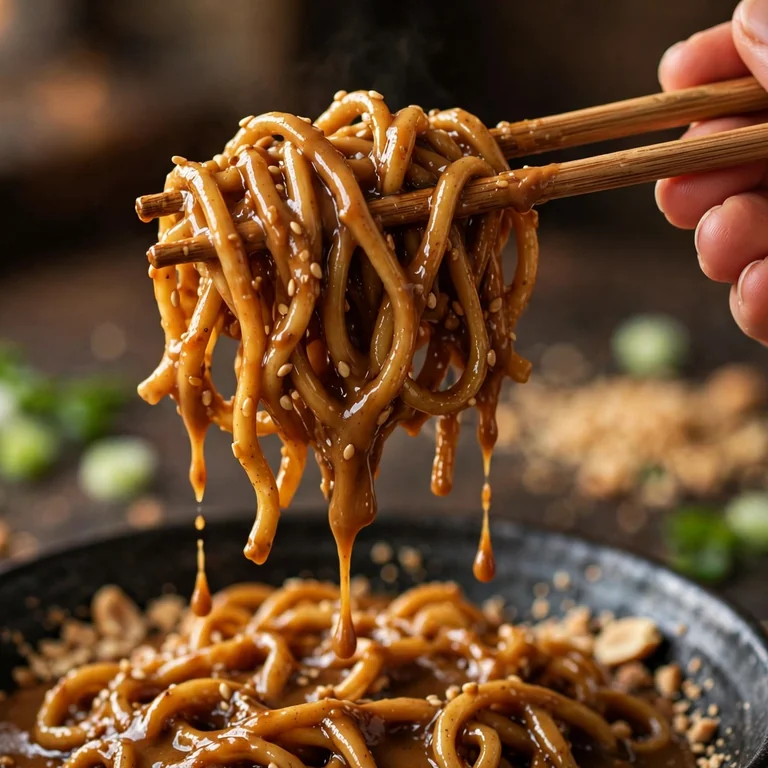
The first time you make peanut butter noodles, you’ll probably be skeptical about how something this simple can taste this good. A quick sauce built from peanut butter, soy sauce, sesame oil, ginger, and garlic comes together in the same bowl you’ll serve from, then gets tossed with hot noodles until every strand is coated in something rich, savory, and just slightly spicy. Dinner is ready in 20 minutes.
This is the kind of meal that works on a Tuesday when you have nothing planned, or when you want something filling that doesn’t require a grocery run. The sauce clings to any noodle you have on hand, holds up well to whatever vegetables need using up in the fridge, and tastes genuinely good both warm and cold. The peanut butter flavor is present but not heavy balanced by acid from rice vinegar and heat from chili flakes so it reads more “restaurant noodle bowl” than “PB&J gone wrong.”

Why You’ll Love These Peanut Butter Noodles
- Done in 20 minutes, start to finish. Boil the noodles, whisk the sauce, toss together. No marinating, no layered timing, no standing over the stove waiting.
- Built from pantry staples. Peanut butter, soy sauce, sesame oil, rice vinegar, garlic, and ginger are the whole sauce. Most people already have all six.
- Works with almost any noodle. Spaghetti, linguine, rice noodles, udon, soba — the sauce coats all of them without any recipe adjustments.
- Easy to load with vegetables. Shredded cabbage, julienned carrots, edamame, sliced cucumber, or whatever is in the crisper drawer all fold in naturally without breaking the recipe.
- Just as good cold. Unlike most pasta dishes, peanut butter noodles hold up in the fridge overnight and make a genuinely good next-day lunch straight from the container.

Ingredients You’ll Need
Recipe Timing
| Detail | Info |
|---|---|
| Servings | 4 |
| Difficulty | Easy |
| Course | Main Course |
| Cuisine | Asian-inspired |
| Prep Time | 10 minutes |
| Cook Time | 10 minutes |
| Total Time | 20 minutes |
Use smooth, natural peanut butter here rather than the sweetened commercial kind. The sugar in brands like Skippy throws the sauce sweet without adding anything useful, and the texture is thicker than what you want. Natural peanut butter (the runny, oil-separated type) blends into the sauce without needing extra liquid to smooth it out.
For the noodles, anything in the 8 to 12 oz range works. Thicker noodles like udon or linguine hold the sauce better than thin vermicelli, which tends to clump.
For the noodles:
- 12 oz noodles of choice (spaghetti, linguine, udon, soba, or rice noodles) — the base; thicker noodles hold more sauce per bite and stay chewier
- 1 teaspoon sesame oil (added after draining) — prevents sticking while adding a light nutty note; do not skip or substitute with another oil
For the peanut sauce:
- 1/2 cup natural peanut butter (smooth) — the primary flavor base; smooth blends evenly while chunky leaves uncoated bits in the sauce
- 3 tablespoons soy sauce — adds salt and umami depth; use low-sodium if you prefer more control over the final saltiness
- 2 tablespoons rice vinegar — the acid that lifts the whole sauce and prevents it from tasting heavy
- 1 tablespoon sesame oil — brings a roasted, aromatic background note that you can’t replicate with another oil
- 1 tablespoon honey — balances the salt and acid without making the sauce sweet; maple syrup works as a substitute
- 1 teaspoon fresh ginger, grated — adds brightness and a mild warmth; ground ginger (1/4 teaspoon) is a backup if you don’t have fresh
- 2 cloves garlic, grated or finely minced — base savory flavor; raw garlic is stronger than sauteed so use 2 medium cloves, not large
- 2 to 4 tablespoons warm water — loosens the sauce to the right coating consistency; add gradually until it pours like a thick dressing
- 1/2 teaspoon chili flakes (optional) — adds background heat; increase for more kick or leave it out entirely for a kid-friendly version
For garnish:
- Sliced green onions
- Crushed roasted peanuts
- Sesame seeds
- Fresh cilantro (optional)
- Drizzle of chili oil (optional)

Allergen and Dietary Disclosure
These noodles contain peanuts and soy (from soy sauce). Standard spaghetti or linguine contains gluten — swap for certified gluten-free rice noodles or soba (100% buckwheat) if needed. Honey makes this recipe not strictly vegan; replace it with maple syrup or agave for a fully plant-based version.
For a peanut-free version, almond butter or sunflower seed butter both work in this sauce. Sunflower seed butter produces a slightly earthier flavor; almond butter is the closest in richness to peanut.
These noodles are not guaranteed safe for any specific allergy without verifying every individual product label used.
Step-by-Step Directions
Step 1: Boil the Noodles
Bring a large pot of water to a full rolling boil and salt it generously. The water should taste lightly of salt before the noodles go in. Cook your noodles according to package directions but pull them 1 minute before the stated time — they’ll finish softening when tossed in the warm sauce. Before draining, scoop out about 1/4 cup of the starchy cooking water and set it aside.

Chef’s Note: That starchy pasta water is the secret to a silkier sauce. If your sauce ends up thicker than you want after tossing, a tablespoon of this cooking water loosens it far better than plain tap water.
Step 2: Make the Peanut Sauce
While the noodles boil, add the peanut butter, soy sauce, rice vinegar, sesame oil, honey, grated ginger, and minced garlic to a large mixing bowl. Whisk everything together until smooth, then add warm water one tablespoon at a time until the sauce pours like a thick salad dressing. It should coat the back of a spoon but still flow freely.
Chef’s Note: Whisking in a large bowl rather than a small one means you can toss the noodles directly in the same vessel, which saves washing a pan and keeps everything warm.
Step 3: Drain and Toss Immediately
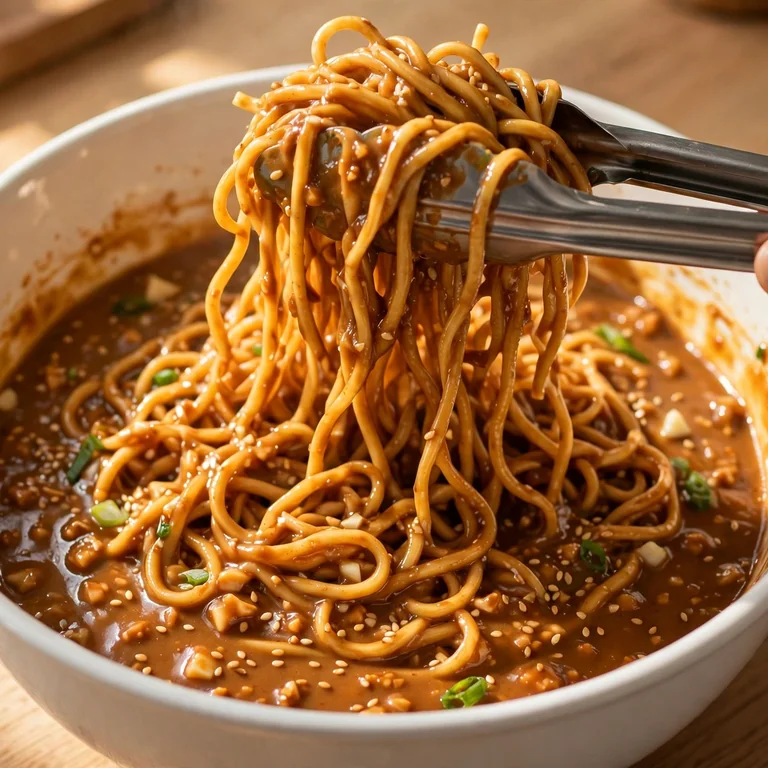
Drain the noodles and add them directly to the bowl of sauce while still hot. Add the teaspoon of sesame oil first to prevent sticking, then start tossing. Use tongs or two forks to lift and fold the noodles through the sauce, making sure every strand gets coated. If the sauce feels too thick, add reserved pasta water a tablespoon at a time. Work quickly while the noodles are hot since the sauce distributes much more evenly at this stage.
Step 4: Taste and Adjust
Before plating, taste the noodles and adjust. Too salty: a little extra rice vinegar or a squeeze of lime brightens and balances it. Not enough depth: a few more drops of soy sauce. Lacking heat: more chili flakes or a drizzle of chili oil. Sauce too thick after tossing: a tablespoon of the reserved pasta water. This is the step most people skip, and it’s the one that makes the biggest difference between fine and genuinely good.
Step 5: Plate and Garnish
Divide the noodles between four bowls. Top each with sliced green onions, a pinch of sesame seeds, and a small handful of crushed roasted peanuts. Add fresh cilantro if you like it, and finish with a drizzle of chili oil for color and heat. Serve immediately while warm.
Chef’s Note: Crushed peanuts are not just decoration. They add crunch that contrasts with the soft noodles and bring a second layer of peanut flavor that the sauce alone doesn’t provide.
Common Mistakes and Troubleshooting
| Problem | Cause | Solution |
|---|---|---|
| Sauce is too thick and clumps on the noodles | Not enough water in sauce, or noodles cooled before tossing | Add warm water 1 tbsp at a time; toss while noodles are still hot |
| Sauce tastes too sweet | Commercial sweetened peanut butter used | Switch to natural peanut butter; reduce honey to 1/2 tablespoon |
| Noodles are sticking together | No oil added after draining, or tossed too slowly | Add sesame oil immediately after draining; toss quickly and thoroughly |
| Sauce is salty but flat | Imbalance between soy sauce and acid | Add rice vinegar 1 teaspoon at a time until the flavor lifts |
| Garlic flavor is too sharp | Raw garlic was grated too coarsely or used in excess | Grate on a microplane for a paste-like consistency; stick to 2 medium cloves |
| Noodles absorb all the sauce overnight | Normal for starchy noodles in storage | Add 1 to 2 tablespoons of sesame oil or water and toss before eating leftovers |
Variations and Substitutions
Spicy peanut noodles: Double the chili flakes, add a teaspoon of chili garlic paste to the sauce, and finish with a generous drizzle of chili oil before serving. The heat level here is noticeable but not overwhelming.
Cold peanut noodle salad: Cook and sauce the noodles, then refrigerate for at least an hour before serving. Fold in thinly sliced cucumber, shredded purple cabbage, and edamame for a dish that works well as a make-ahead lunch or potluck contribution.
Protein-loaded version: Add sliced grilled chicken breast or sauteed shrimp on top. For a plant-based protein option, crispy baked tofu cubes tossed in a little soy sauce fold in without disrupting the sauce at all.
Almond butter noodles: Swap the peanut butter for almond butter 1:1. The sauce is slightly milder and less rich but still works well, particularly if you add an extra teaspoon of sesame oil for body.
Tahini version (sesame noodles): Replace the peanut butter with tahini for a sesame-forward sauce that’s slightly more bitter and thinner. Reduce the sesame oil by half since tahini already carries significant sesame flavor.
Kid-friendly bowl: Skip the chili flakes and garlic, reduce the ginger to 1/4 teaspoon, and serve with plain noodles and a small side of the sauce for dipping. Works well for picky eaters who want control over how much sauce goes on.
Serving Suggestions
- Serve as a standalone bowl with crushed peanuts and green onions, which is completely filling on its own for a weeknight meal.
- Pair with a simple cucumber salad (thinly sliced cucumber, rice vinegar, a pinch of sugar, and sesame seeds) for something light and cooling alongside the rich noodles.
- Lay sliced grilled chicken or sauteed shrimp directly on top of the finished noodles for a higher-protein meal without changing the recipe.
- Serve alongside steamed edamame with coarse salt as a starter before the noodles, particularly if you’re making this for guests.
- Use the noodles as a base for a make-ahead lunch bowl: pack them cold with shredded cabbage, sliced avocado, and extra crushed peanuts on the side.
- Add a soft-boiled egg (6 to 7 minutes in boiling water for a jammy yolk) halved on top of each serving for extra protein and visual appeal.

Tips for the Best Results
Grate the garlic and ginger, don’t chop them. A microplane turns both into a fine paste that dissolves into the sauce completely. Chopped pieces stay chunky and give you uneven bursts of raw garlic rather than a smooth background heat.
Taste the sauce before tossing. Every peanut butter brand is slightly different in saltiness and sweetness. Take a spoonful of sauce before the noodles go in and adjust rice vinegar, soy, or honey until it tastes exactly right. Correcting seasoning after tossing works, but it’s harder to distribute evenly.
Keep some pasta water. The starch in the cooking water acts as a natural emulsifier that holds the sauce together and gives it that glossy, coating texture. Plain water works in a pinch but doesn’t produce the same result.
Don’t let the noodles sit before tossing. Noodles that have been draining in a colander for 5 minutes will have cooled, stiffened slightly, and stuck together. The sauce needs the heat from the noodles to thin out and coat evenly. Toss within 60 seconds of draining.
Storage Tips
Refrigerator
Transfer leftover noodles to an airtight container and store for up to 4 days. They will thicken considerably as the starch absorbs the sauce overnight, which is normal. Before eating, drizzle a teaspoon or two of sesame oil over the noodles and toss to loosen them.
Freezer
Peanut butter noodles don’t freeze well. The sauce tends to separate and turn grainy after thawing, and the noodle texture deteriorates. If you want to freeze something for later, freeze just the peanut sauce in a small container for up to 2 months and make fresh noodles when you’re ready to eat.
Reheating
Microwave leftovers in a bowl with a splash of water (1 tablespoon is usually enough) and cover loosely with a plate or paper towel to trap steam. Heat in 45-second bursts, tossing between each, until warm throughout. Alternatively, add the noodles to a skillet over medium-low heat with a tablespoon of water and toss continuously for 2 to 3 minutes.
Nutrition Information
Per serving (1 of 4), based on spaghetti, natural peanut butter, and low-sodium soy sauce:
| Nutrient | Per Serving |
|---|---|
| Calories | 520 |
| Protein | 18g |
| Carbohydrates | 68g |
| Fiber | 4g |
| Sugar | 8g |
| Fat | 21g |
| Saturated Fat | 3.5g |
| Cholesterol | 0mg |
| Sodium | 740mg |
| Potassium | 310mg |
| Iron | 12% DV |
| Calcium | 4% DV |
| Vitamin C | 3% DV |
Nutrition values are approximate and may vary based on brands and portion sizes used.
Why This Recipe Works
The peanut sauce formula here follows a balance that took a few batches to get right: fat (peanut butter, sesame oil), salt (soy sauce), acid (rice vinegar), sweetness (honey), and aromatics (garlic, ginger). Any one of these elements on its own would be sharp or one-dimensional. Together, with warm water to adjust consistency, they produce a sauce that tastes layered without any single ingredient standing out too strongly.
The specific ratio that works best is roughly 2 parts soy sauce to 1 part rice vinegar to 1 part honey (by tablespoon). Below that acid level, the sauce tastes heavy and rich in a way that’s filling after a few bites. Above it, you start to get a pickled flavor that overwhelms the peanut base. That 2:1:1 baseline is the point to return to if you ever make adjustments and the sauce ends up off.
Using fresh ginger rather than ground makes a noticeable difference. Ground ginger is more concentrated and dusty-tasting; fresh ginger adds a brighter, almost citrusy warmth that lifts the sauce in a way ground ginger doesn’t quite replicate. If fresh isn’t available, 1/4 teaspoon of ground ginger substitutes adequately, but the brightness won’t be the same.
Frequently Asked Questions
Can I make peanut butter noodles ahead of time?
Yes. Cook and sauce the noodles, let them cool to room temperature, then refrigerate in an airtight container for up to 4 days. The sauce thickens as it sits, so add a teaspoon of sesame oil and toss before serving. If you want to get further ahead, make the sauce separately and store it in a jar for up to a week, then cook fresh noodles on the day.
Why does my peanut sauce taste flat or too rich?
The most common cause is not enough acid. Rice vinegar is what lifts the peanut butter from heavy to balanced. If the sauce tastes flat or cloying, add rice vinegar half a teaspoon at a time and stir until you notice the flavor brighten. A squeeze of lime juice does the same job. Also check the salt level — under-seasoned peanut sauce tastes muted even with the right balance of everything else.
What noodles work best for this recipe?
Thick noodles hold the sauce better than thin ones. Linguine, spaghetti, udon, and soba all work well. Rice noodles are a good gluten-free option but absorb liquid faster, so serve those dishes immediately rather than letting them sit. Very thin vermicelli tends to clump together quickly once coated, making it the least convenient option for this style of sauce.
How long does the peanut sauce last on its own?
Stored in a sealed jar in the refrigerator, the sauce keeps for up to 7 days. It will thicken as it chills. Stir in a little warm water before using and it loosens back to a pourable consistency. The sauce can also be used as a dipping sauce for spring rolls, drizzled over roasted vegetables, or used as a dressing for grain bowls.
Can I make this without sesame oil?
You can, but the flavor changes noticeably. Sesame oil provides a toasted, nutty background that’s difficult to replicate. If you need to skip it, a small amount of tahini stirred into the sauce adds a similar depth. Plain vegetable oil or olive oil won’t contribute the same aroma and aren’t good substitutes in this context.
Is this recipe suitable for someone with a soy allergy?
Standard soy sauce contains soy and wheat. For a soy-free version, use coconut aminos as a direct 1:1 substitute. It’s slightly sweeter and milder than soy sauce, so you may want to reduce the honey by half a tablespoon and add a small pinch of extra salt. Tamari (made without wheat) is a good option for anyone avoiding wheat but not soy.
How do I stop the noodles from clumping when stored?
Toss the noodles with a teaspoon of sesame oil as soon as they go into the storage container. The oil coats each strand and slows down the starch bonding that causes clumping. Even with this step, noodles stored overnight will be denser and slightly sticky that’s normal. A quick toss with a fork and a drizzle of oil before eating brings them back to a reasonable texture.
Conclusion
Peanut butter noodles are one of those recipes you’ll make once out of curiosity and then add to your regular rotation without really deciding to. The sauce takes 5 minutes to whisk together, the noodles are done in 10, and the whole thing works with whatever you have — different noodles, leftover vegetables, various proteins. The key is getting the sauce balance right before tossing: enough acid to lift it, enough salt for depth, and enough warm water to make it coat rather than clump. Once you have that dialed in, the rest takes care of itself.
If you loved this recipe, save it to your weeknight dinners Pinterest board so you can find it easily later. For more recipes and daily food inspiration, follow TheCookingVibes on Pinterest.
Creamy Peanut Butter Noodles
Ingredients
Equipment
Method
- Boil a large pot of well-salted water and cook noodles 1 minute under the package time. Reserve 1/4 cup of pasta water before draining.
- While the noodles cook, whisk together peanut butter, soy sauce, rice vinegar, sesame oil, honey, ginger, and garlic in a large bowl. Add warm water one tablespoon at a time until the sauce flows like a thick dressing.
- Drain noodles, toss immediately with 1 teaspoon sesame oil, then pour directly into the sauce bowl. Toss thoroughly with tongs until every strand is coated. Add reserved pasta water if needed to loosen.
- Taste and adjust: more rice vinegar if flat, extra soy for depth, chili flakes for heat.
- Divide into bowls and top with green onions, crushed peanuts, sesame seeds, and optional chili oil. Serve right away.
Notes
- Grate garlic and ginger on a microplane for a paste-like consistency that blends evenly into the sauce.
- Toss noodles while still hot; sauce coats far more evenly at this stage.
- For cold noodle bowls, refrigerate sauced noodles for 1 hour and fold in raw vegetables before serving.
- Leftover noodles keep 4 days refrigerated; add a drizzle of sesame oil and toss before eating.
- Allergens: Contains peanuts and soy. Regular pasta contains gluten; use rice noodles or 100% buckwheat soba for a gluten-free version. Contains honey (not vegan); substitute maple syrup or agave for a fully plant-based version. Not guaranteed safe for any specific allergy without verifying every individual product label used.