Perfect Avocado Toast — Creamy, Crispy, Ready in 10 Minutes
There’s a version of avocado toast that disappoints: pale, underseasoned avocado spread on bread that’s barely toasted, with nothing to make it interesting past the first bite. Then there’s this version, where the avocado is seasoned before it touches the bread, the bread is toasted until it genuinely crunches, and a few well-chosen toppings make the whole thing taste considered rather than assembled in a hurry. The difference in satisfaction between the two is larger than the difference in effort.
This avocado toast recipe builds on a technique that most quick versions skip: seasoning and mashing the avocado while it’s in a bowl rather than spreading plain slices on bread and sprinkling salt on top. That sequence changes the texture into something spreadable and cohesive, lets the lime juice and salt work all the way through the avocado rather than sitting on the surface, and produces a result that holds together cleanly in every bite. It works as a weekday breakfast, a quick lunch, or a light dinner with an egg on top.

Why You’ll Love This Avocado Toast
- Seasoned all the way through. Mashing the avocado with lime juice, salt, and garlic in a bowl before spreading means the flavor is consistent in every bite, not just on the surface where you happened to sprinkle something.
- Crispy bread that holds up. A properly toasted thick slice of sourdough or whole grain bread doesn’t go soggy under the avocado the way thinly sliced sandwich bread does, and the crunch contrast with the creamy avocado is the texture detail that makes it satisfying.
- Ten minutes, no special equipment. A fork, a bowl, and a toaster. That’s genuinely everything you need for the base recipe.
- Scales to any appetite. One slice is a light snack. Two slices with a poached egg is a full, protein-rich meal. The method is the same; the quantity and toppings decide how substantial it becomes.
- Endlessly adaptable. The seasoned avocado base accepts toppings from nearly any category, spiced, herby, savory, or even sweet-adjacent with honey and chili, without feeling forced.
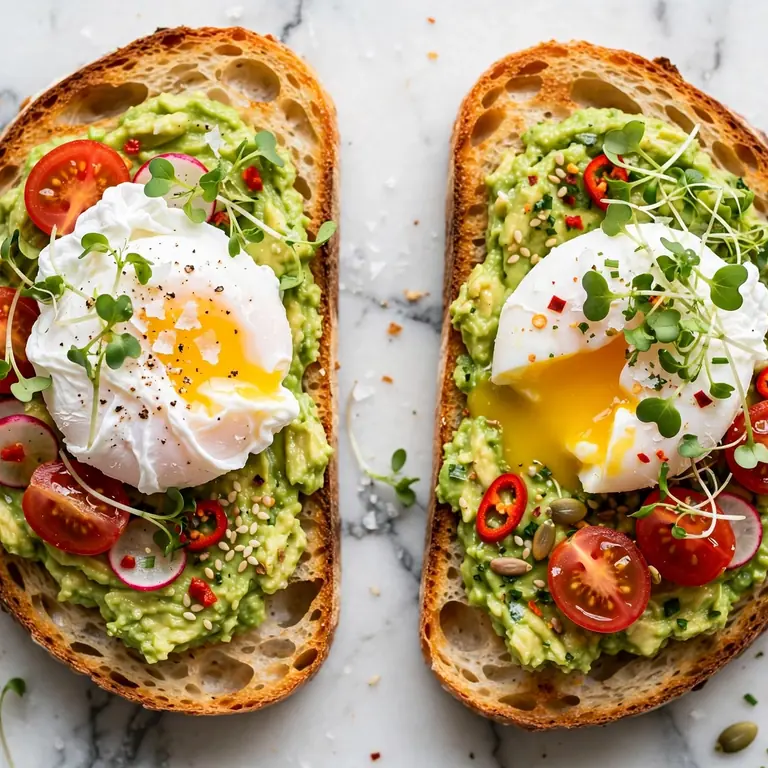
Ingredients You’ll Need
Recipe Timing
| Detail | Info |
|---|---|
| Servings | 2 |
| Difficulty | Easy |
| Course | Breakfast, Brunch, Light Meal |
| Cuisine | American |
| Prep Time | 5 minutes |
| Cook Time | 5 minutes |
| Rest Time | 0 minutes |
| Total Time | 10 minutes |
For the avocado, ripeness is the single most important variable in this recipe. A ripe avocado should yield noticeably when pressed with your thumb at the broad end, with the skin giving slightly rather than feeling hard and resistant. The flesh inside should be a consistent pale yellow-green with no brown or black streaks; a streaked avocado has been bruised internally and the off-flavor from those spots will carry through the spread. If your avocados are rock hard, leave them at room temperature for 1 to 2 days; placing them in a paper bag with a banana speeds this up significantly because the ethylene gas the banana releases accelerates ripening.
For the bread, thick-sliced sourdough or a dense whole grain loaf produces the best structural result. The slice should be at least 1.5 to 2cm thick; thinner slices don’t provide enough crunch to contrast with the avocado, and they tend to go soft within a few minutes of being topped. If sourdough isn’t available, a seeded whole grain sandwich loaf, a toasted English muffin, or thick-sliced rye bread all work well. Avoid standard white sandwich bread; it’s too thin and too soft to hold the avocado cleanly.
For the lime juice, fresh is meaningfully better than bottled here. The volatile aromatic compounds in fresh lime zest and juice are noticeably more complex and bright than the flat, slightly bitter taste of bottled lime juice. One lime is enough for two servings with some remaining.
- 2 large ripe avocados — the primary ingredient; must be fully ripe for a spreadable, creamy texture; a firm avocado will not mash smoothly and the flavor will be bland
- 2 thick slices sourdough or whole grain bread — the structural base; thickness and crustiness determine whether the toast holds up or goes limp under the avocado; thicker is always better
- 1 tablespoon fresh lime juice — the acid that both brightens the avocado’s flavor and slows oxidation; lemon juice works equally well if lime isn’t available
- 1 small garlic clove, finely grated on a microplane — raw garlic rubbed directly into the avocado adds a savory depth without making the spread taste aggressively of garlic; one small clove is enough for two servings
- 1/4 teaspoon fine sea salt, plus more to taste — season the avocado directly; don’t rely on finishing salt alone to season through the whole spread
- 1/4 teaspoon red pepper flakes — adds a gentle, distributed heat; adjust up or down based on preference; fresh jalapeño sliced thin is a more vibrant substitute
- 1 tablespoon extra-virgin olive oil — drizzled over the finished toast; adds richness and a fruity, peppery note that lifts the avocado’s mild flavor
- Flaky sea salt — for finishing directly on the toast; adds a crunch contrast and a burst of salinity that fine salt can’t provide
- Freshly cracked black pepper — adds a sharp, aromatic top note that fine pepper can’t replicate
Optional toppings (choose one or two):
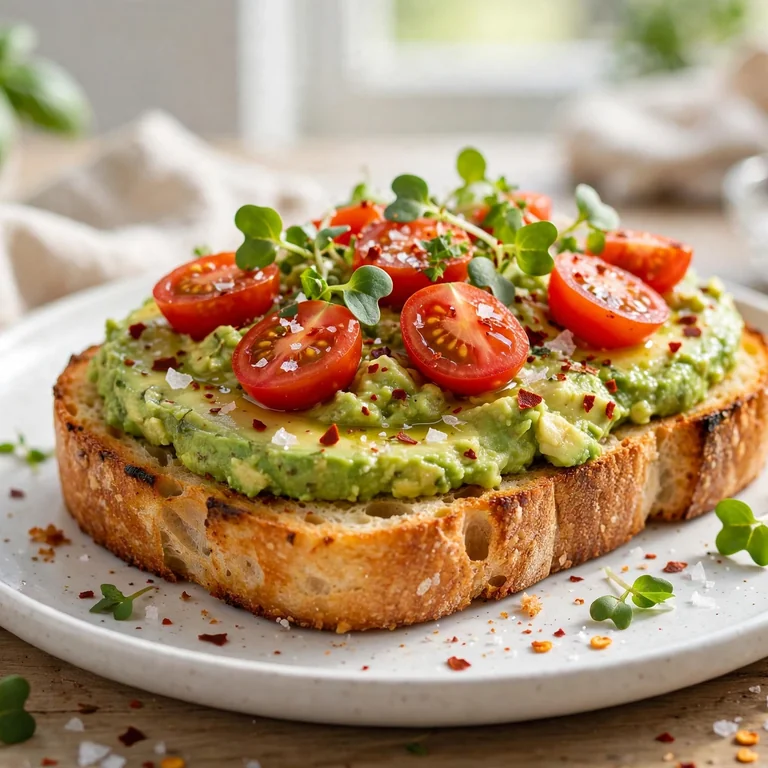
- Halved cherry tomatoes
- Soft poached or fried egg
- Thinly sliced radishes
- Fresh microgreens or arugula
- Everything bagel seasoning
- Sesame seeds, white or black
- Crumbled feta cheese
- Fresh herbs: dill, basil, or flat-leaf parsley

Allergen and Dietary Disclosure
This avocado toast is naturally gluten-free when made with certified gluten-free bread. The base recipe contains no dairy, eggs, or nuts, making it suitable for vegan, dairy-free, and egg-free diets. However, many breads contain gluten and some may be processed in facilities handling tree nuts or sesame; check your bread label carefully.
Optional toppings may introduce allergens: crumbled feta contains dairy, a poached egg contains eggs, and everything bagel seasoning typically contains sesame. Add only the optional toppings appropriate for your dietary needs.
For nut-free: all base ingredients are tree-nut free. Verify any specialty bread label if nut allergies are a concern.
For gluten-free: use a certified gluten-free bread or substitute with thick-sliced sweet potato rounds or rice cakes. Sweet potato rounds hold up well as a base and add a natural sweetness that complements the avocado.
This recipe has not been tested in a certified allergen-free kitchen and cannot be guaranteed safe for any specific allergy.
Step-by-Step Directions
Step 1: Toast the Bread Properly
Place the bread slices in a toaster or under a broiler set to high. Toast until the surface is deep golden brown with visible color and the edges have just begun to darken. The bread should feel firm and dry all the way across the surface when you press it lightly; a spot that still feels soft in the center means it needs another 30 to 60 seconds. For broiler toasting, place the bread on a rack about 10cm below the element and watch it closely; broilers vary significantly in intensity and the difference between perfect and burnt takes under a minute.

Chef’s Note: Properly dark toast is not an aesthetic preference here. Bread toasted only to a pale golden color stays pliable and softens the moment anything wet touches it. Toast with visible browning and a dry, firm surface has a structural crispness that holds under the avocado spread for 10 to 15 minutes before the bottom begins to soften.
Step 2: Prepare and Season the Avocado
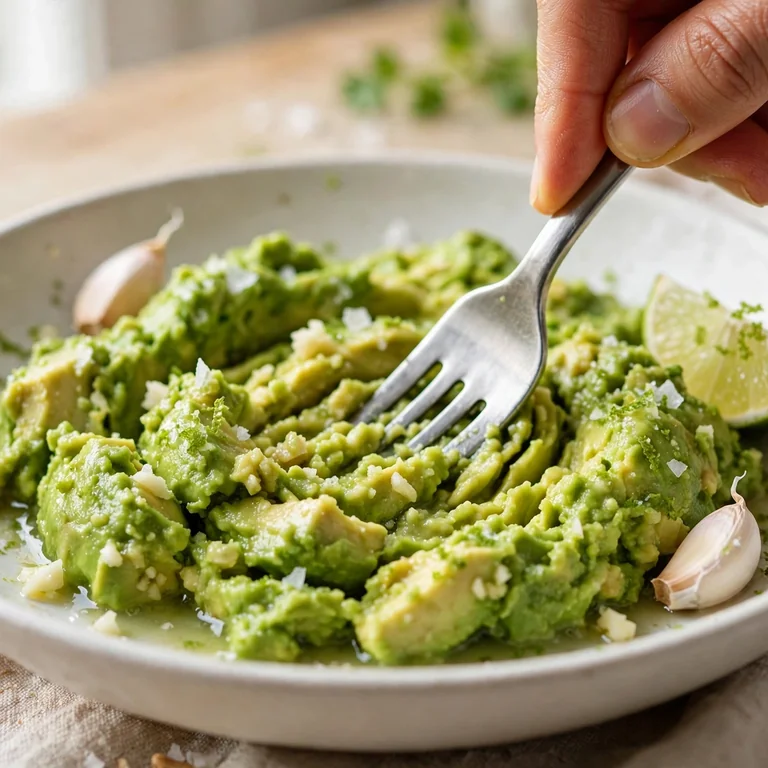
Halve the avocados lengthwise, remove the pits, and scoop the flesh into a bowl using a large spoon. Add the fresh lime juice, finely grated garlic, and fine sea salt immediately. Use a fork to mash the avocado mixture, pressing against the bottom of the bowl and folding repeatedly rather than stirring in circles. Stop when the texture is roughly chunky-smooth: mostly incorporated with some larger pieces remaining throughout. Taste the mixture and adjust the salt and lime juice before it touches the bread; what tastes correctly seasoned in the bowl will taste right on the toast.
Chef’s Note: The garlic in this recipe is added as a fine grate rather than minced pieces. A microplane produces garlic that dissolves completely into the avocado during mashing; minced garlic stays in distinct pieces that deliver uneven bursts of raw garlic flavor in individual bites. If you don’t have a microplane, press the garlic through a garlic press or smash it into a paste with the flat of a knife and a pinch of salt.
Step 3: Spread the Avocado
Spoon the seasoned avocado mixture onto each slice of hot toast and use the back of the spoon to spread it all the way to the edges, pressing gently to fill any gaps. The spread should be thick enough that it holds its position on the bread when tilted, roughly 1cm deep across the surface. Don’t spread it thin trying to cover a large area; a generous, slightly uneven layer looks more appealing than a flat, thin coating and provides more avocado flavor in every bite.
Step 4: Add Toppings and Finish
Arrange your chosen toppings directly over the avocado spread while the toast is still warm from the toaster; the heat helps soften fresh vegetables slightly and the warmth carries the aromas of whatever you add. Finish every slice with a drizzle of extra-virgin olive oil, a few flakes of sea salt pressed lightly into the surface so they adhere, and a generous crack of black pepper. Serve within 5 minutes of assembling; avocado toast is at its best immediately, before the bread begins to soften from the moisture in the avocado.
Chef’s Note: The sequence of finishing elements matters: olive oil first, then flaky salt, then pepper. Oil added last over dry salt prevents the salt from dissolving on contact and keeps the flaky crystals intact as a textural element. Flaky salt that lands in a pool of oil loses its crunch within seconds and just dissolves into the oil.

Common Mistakes and Troubleshooting
| Problem | Cause | Solution |
|---|---|---|
| Toast goes soggy within minutes | Bread too thin or not toasted dark enough | Use thick-sliced bread toasted to deep golden brown; assemble and serve immediately |
| Avocado tastes bland despite seasoning | Seasoned on top of the bread rather than mixed in the bowl | Always season the avocado in a bowl before spreading; salt and acid need to work through the mixture |
| Avocado turns brown quickly | Lime juice not added, or avocado prepared too far in advance | Add lime juice immediately after scooping the avocado; assemble just before eating |
| Garlic too strong and sharp | Too much garlic used, or minced instead of grated | Use only a small clove; grate on a microplane so it dissolves evenly into the spread |
| Avocado not spreadable | Underripe avocado used | A firm avocado won’t mash smoothly; ripen at room temperature for 1 to 2 days before using |
| Toast tastes flat overall | No finishing elements applied | Flaky salt, cracked black pepper, and a drizzle of good olive oil make a significant flavor difference; don’t skip them |
Variations and Substitutions
- Egg on top: A soft poached egg or a fried egg with a runny yolk placed directly over the avocado spread is the single most substantial upgrade available. The egg yolk breaks and mixes with the lime-seasoned avocado in a way that tastes intentional and complete. Poached is the most elegant; fried is the fastest.
- Everything bagel avocado toast: Replace the red pepper flakes, individual salt, and pepper with a generous sprinkle of everything bagel seasoning. The combination of sesame seeds, poppy seeds, dried garlic, dried onion, and flaky salt hits all the same flavor notes simultaneously and requires zero additional prep.
- Spicy tomato avocado toast: Toss 6 to 8 halved cherry tomatoes with a pinch of red pepper flakes, a few drops of olive oil, and a small pinch of salt in a bowl before piling them onto the avocado spread. The briefly marinated tomatoes release their juice into the avocado as you eat, which is a genuinely good textural detail.
- Mediterranean version: Spread the avocado as usual, then top with crumbled feta, a few sliced Kalamata olives, a pinch of dried oregano, and a drizzle of olive oil. The saltiness of the feta and olives means you can reduce the fine salt in the avocado mixture slightly.
- Sweet potato base: For a gluten-free, grain-free version, slice a medium sweet potato into 1cm-thick rounds and roast at 200°C (400°F) for 25 minutes, flipping once. Spread the seasoned avocado over the warm rounds. The slight sweetness of the potato against the lime-bright avocado is a combination that works surprisingly well.
- Green goddess version: Add 1 tablespoon of finely chopped fresh herbs including basil, tarragon, and chives to the avocado mixture before mashing. Top the finished toast with a handful of watercress or arugula and thin cucumber slices. The result tastes fresh in a way that the standard version without herbs doesn’t.
Serving Suggestions
- Serve within 5 minutes of assembling while the bread is still warm and the contrast between the crispy base and the cool avocado spread is at its sharpest. Avocado toast that’s been sitting for 20 minutes is still edible but the texture has softened considerably.
- Pair with a soft poached egg on top for a complete protein-rich breakfast that sustains energy noticeably longer than avocado alone. The combination provides fat, protein, and complex carbohydrate in a single serving.
- Serve alongside a cup of black coffee or a strong black tea for a classic breakfast combination. The slight bitterness of both beverages contrasts well with the richness of the avocado and the olive oil.
- For brunch with guests, set out a toppings board with small bowls of halved cherry tomatoes, thinly sliced radishes, microgreens, crumbled feta, everything bagel seasoning, and sliced jalapeños. Toast the bread and spread the avocado, then let everyone choose their own toppings. It makes a genuinely engaging brunch format that requires almost no extra cooking.
- Serve two slices alongside a simple green salad dressed with lemon and olive oil for a light lunch that’s filling but not heavy. The salad acid complements the lime in the avocado spread and balances the richness of the olive oil.
- Cut each slice into three fingers and serve as a passed appetizer at a casual gathering. The individual fingers are easy to pick up without utensils and the toppings can be varied across the batch so guests have options.

Tips for the Best Results
- Taste the avocado mixture before it goes on the bread. What seems slightly over-seasoned in the bowl will taste exactly right when spread on a thick slice of bread. Avocado needs more salt than you’d expect; its high fat content mutes salinity, and under-seasoned avocado spread on lightly seasoned bread produces a result that tastes like nothing in particular regardless of how fresh the ingredients are.
- Toast the bread longer than you think you need to. The instinct is to pull bread from the toaster when it looks golden and appetizing. For avocado toast specifically, you want to push it one shade darker than that, to a deep amber brown that feels slightly firm all the way across. That level of toasting provides the only real defense against sogginess once the avocado goes on.
- Use a microplane for the garlic. This is a small equipment detail that produces a noticeably different result. Grated garlic distributes evenly through the avocado; minced garlic creates pockets of concentrated raw garlic flavor that surprise you mid-bite in an unpleasant way. If a microplane isn’t available, smashing the garlic to a paste with coarse salt against a cutting board achieves something very close.
- Finish with quality olive oil. Extra-virgin olive oil drizzled just before serving adds a richness and a faintly peppery finish that neutral oils like sunflower or canola can’t provide. The fruity, grassy character of a good extra-virgin olive oil is perceptible against the mild avocado, and it’s one of the few applications where the difference in oil quality is genuinely obvious.
- Assemble to order, never in advance. Avocado toast is one of the few recipes where the window between perfect and noticeably worse is measured in minutes rather than hours. Make the avocado mixture up to 30 minutes ahead and keep it covered with plastic pressed directly against the surface; toast the bread and assemble right before serving.
Storage Tips
Refrigerator
The assembled toast doesn’t store well because the bread softens irreversibly once moisture from the avocado penetrates it. The avocado mixture itself keeps in the refrigerator for up to 24 hours if stored with a sheet of plastic wrap pressed directly against the surface with no air gap. Even with this precaution, some surface browning will occur; scrape away the very top layer with a spoon before using and the green avocado underneath will be perfectly fine. The lime juice in the mixture significantly slows oxidation compared to plain mashed avocado.
Freezer
Mashed avocado can be frozen for up to 2 months in a sealed freezer bag with the air pressed out before sealing. Freeze in portion-sized amounts so you only thaw what you need. Thaw overnight in the refrigerator. The texture after freezing and thawing is softer and slightly more watery than fresh; blot the surface with a paper towel after thawing and re-season with a small squeeze of fresh lime juice and a pinch of salt before spreading. Whole avocados do not freeze well at all; the flesh turns black and mushy throughout on thawing.
Reheating
Avocado toast doesn’t reheat. The bread that’s been stored with the avocado spread on it cannot be returned to a crisp state. If you have leftover avocado mixture from the refrigerator, spread it fresh onto newly toasted bread rather than attempting to reheat the assembled toast. The whole point of the dish is the contrast between the warm, crunchy bread and the cool, creamy avocado; neither reheating the assembly nor eating it cold delivers that combination.
Make-ahead note: For batch preparation, make the seasoned avocado mixture up to 30 minutes before serving and cover with plastic pressed to the surface. Toast the bread as people are ready to eat. This is the only make-ahead approach that preserves the quality of the finished toast.
Nutrition Information
Per serving, approximately one thick slice with avocado spread and olive oil drizzle, no optional toppings:
| Nutrient | Amount |
|---|---|
| Calories | 310 kcal |
| Protein | 6g |
| Total Carbohydrates | 28g |
| Dietary Fiber | 8g |
| Total Sugar | 2g |
| Total Fat | 20g |
| Saturated Fat | 3g |
| Cholesterol | 0mg |
| Sodium | 380mg |
| Vitamin C | 12mg |
| Calcium | 40mg |
| Iron | 2.1mg |
| Potassium | 490mg |
Nutrition values are approximate and may vary based on bread brand, avocado size, and toppings. Optional toppings not included.
Why This Recipe Works
The core technique in this recipe, mashing and seasoning the avocado in a bowl before it touches the bread, addresses the most common failure mode of avocado toast: avocado that tastes of nothing except mild fat. Avocado flesh is approximately 15% fat by weight, and fat mutes the perception of saltiness and acidity at the surface. Sprinkling salt and lime juice over sliced avocado that’s already on bread gives the acid and salt no time to penetrate the flesh; they sit at the surface and the majority of the avocado remains flat-tasting underneath. Mashing with salt and acid allows those components to distribute through the mixture and interact with the cell contents of the broken-down avocado, producing a flavor that’s consistent and genuinely seasoned rather than just coated.
The decision to grate rather than mince or slice the garlic eliminates the most common complaint about garlic in avocado spread: uneven, sharp bursts of raw garlic flavor in individual bites. Raw garlic contains allicin, the sulfur compound responsible for its heat and sharpness. When garlic is grated on a microplane, the cell walls rupture completely across the entire surface area, releasing allicin evenly throughout the pulp. When the pulp is mixed into the avocado, the allicin distributes as an even background note. Minced garlic maintains its cellular structure largely intact, releasing allicin only when the individual pieces are bitten. The difference in eating experience is significant.
Toasting bread to a deeper color than most people default to is directly related to the Maillard reaction, the same set of chemical reactions responsible for browning meat and caramelizing sugars. At the surface of bread, sugars and amino acids react at the high temperatures of a toaster or broiler to produce hundreds of new aromatic compounds that contribute to the characteristic toasty, nutty flavor of good toast. Bread toasted only to pale gold has undergone this reaction minimally; bread toasted to deep amber has undergone it much more fully, which is why the flavor is noticeably more complex. The structural benefit, that deeper toasting removes more surface moisture and produces a crunchier crust, is a bonus rather than the primary reason for the technique.
Adding the olive oil drizzle after the flaky salt rather than before is a small sequencing decision with a tangible texture consequence. Flaky sea salt crystals are fragile and dissolve almost immediately on contact with liquid, including oil. Salt flakes that land on a dry avocado surface retain their structure and produce small, distinct bursts of salinity as they’re eaten. The same flakes added after an olive oil drizzle dissolve within 30 seconds and become indistinguishable from fine salt. The texture contrast between a crunchy salt crystal and the smooth avocado is one of the small sensory details that makes the finished toast feel more complete.
I’ve tested this recipe with three different types of bread at equal toasting times: standard sliced sandwich bread, thick-cut sourdough, and seeded whole grain loaf. Sandwich bread at its standard 1cm thickness soaked through at the bottom within 4 minutes of being topped with avocado. Sourdough and seeded whole grain at 2cm thickness remained firm at the base for over 12 minutes. Bread thickness and structure are not interchangeable variables in this recipe; they determine whether the toast eats as intended or as a disappointment.
Frequently Asked Questions
Can I make avocado toast ahead of time?
The assembled toast cannot be made ahead; the bread softens rapidly from the moisture in the avocado spread and loses its crunch within 10 to 15 minutes. What you can prepare ahead is the seasoned avocado mixture, which keeps for up to 24 hours in the refrigerator with plastic pressed directly against the surface to prevent oxidation. Toast the bread fresh and assemble immediately before eating. This approach lets you have the avocado mixture ready during a busy morning while still serving the finished toast at its best texture.
Why does my avocado toast taste bland?
Under-seasoning is the most common cause. Avocado is naturally mild and its high fat content mutes the perception of saltiness at the surface. The fix is to season the avocado mixture more aggressively in the bowl than seems necessary, to mash the salt and acid all the way through rather than sprinkling on top, and to finish the assembled toast with flaky sea salt and good olive oil. If the toast still tastes flat after those adjustments, it’s likely that the bread is also unseasoned; switching to sourdough, which has natural fermentation acidity, adds a background flavor that plain bread lacks.
How do I pick a ripe avocado?
Press gently near the stem end with your thumb. A ripe avocado yields to moderate pressure without feeling mushy or leaving a dent that doesn’t spring back. The skin color alone is not reliable since color varies by variety: Hass avocados darken as they ripen while other varieties stay green. The stem cap test is helpful: if you flick the small stem cap off and the flesh underneath is green, the avocado is ripe and ready; if it’s brown underneath, it’s overripe; if the cap doesn’t come off easily, the avocado isn’t ripe yet.
What’s the best bread for avocado toast?
Thick-sliced sourdough is the best choice for structural integrity and flavor. The natural fermentation in sourdough adds acidity that complements the lime in the avocado, and the thick crust provides the crunch contrast the recipe depends on. Seeded whole grain bread is a close second, adding a nutty complexity from the seeds. Rye bread works well for a more assertive, earthy flavor. Avoid standard thin-sliced white sandwich bread; it’s too soft to hold the avocado without going limp and the flavor is too neutral to contribute anything to the overall taste.
How do I keep avocado from turning brown?
Add lime or lemon juice to the mashed avocado immediately after scooping it from the skin. The citric acid slows the enzymatic oxidation that causes browning by inhibiting the enzyme polyphenol oxidase, which requires exposure to oxygen to function. Additionally, press plastic wrap directly against the surface of the avocado mixture with no air gap when storing; oxygen contact at the surface is what drives browning. These two steps together keep the avocado mixture bright green for up to 24 hours in the refrigerator. Avoid submerging cut avocado in water, which dilutes the flavor without meaningfully preventing browning.
Is avocado toast gluten-free?
The avocado spread itself contains no gluten. Whether the finished dish is gluten-free depends entirely on the bread you use. Standard sourdough and whole grain breads contain gluten. To make a fully gluten-free version, use a certified gluten-free bread from a dedicated gluten-free facility, or substitute with thick-sliced sweet potato rounds, rice cakes, or corn tostadas. Also check any optional toppings like everything bagel seasoning, which sometimes contains wheat-derived ingredients depending on the brand.
Can I use lemon juice instead of lime?
Yes, and the result is very close to the lime version. Lemon juice adds the same citric acidity that both seasons the avocado and slows browning. The flavor difference is subtle: lime has a slightly more floral, tropical aromatic quality that complements avocado’s mild sweetness very naturally, while lemon is a touch brighter and more straightforwardly tart. Both work well, and the choice mostly comes down to which fruit you have available. Use the same quantity: 1 tablespoon of fresh lemon juice in place of 1 tablespoon of lime juice.
Conclusion
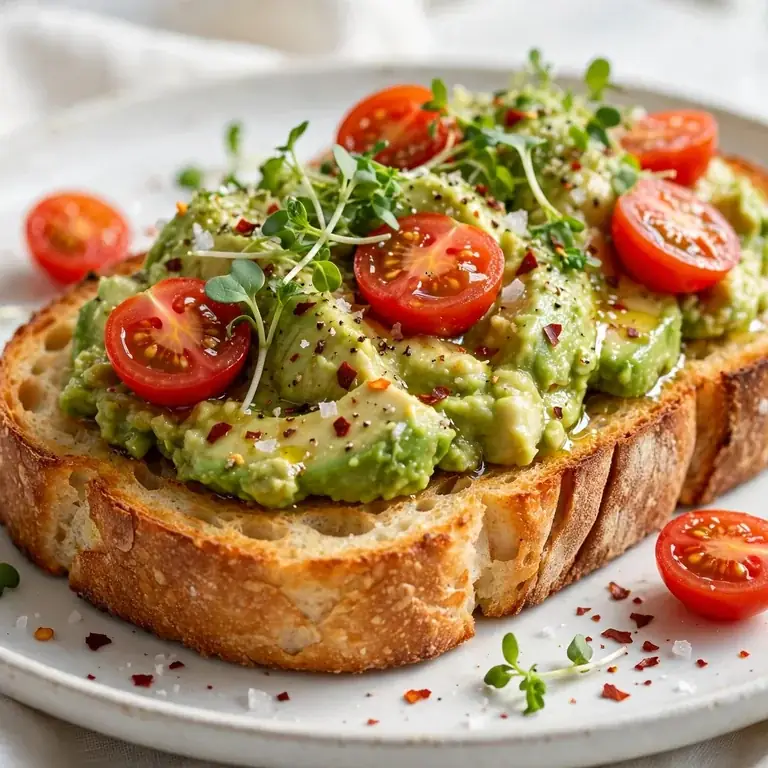
Avocado toast earns its place as a genuinely satisfying meal when the technique is right. The avocado seasoned through rather than on top, the bread toasted darker than feels instinctive, the oil added before the flaky salt, the whole thing assembled and eaten within minutes. None of it is complicated; it’s just a sequence of small decisions that accumulate into something noticeably better than the careless version.
Once you’ve made avocado toast this way a few times, the seasoning becomes instinctive and the whole thing takes 8 minutes from start to plate. It becomes one of those reliable recipes you don’t need to think about, which is exactly what a 10-minute meal should be.
If you loved this recipe, save it to your breakfast and brunch recipes Pinterest board so you can find it easily later! For more same recipes follow Thecookingvibes Pinterest account.
Perfect Avocado Toast
Ingredients
Equipment
Method
- Toast the bread: Place the bread slices in a toaster or under a broiler set to high. Toast until deep golden brown with the edges just beginning to darken. The bread should feel firm and dry all the way across when pressed lightly.
- Mash the avocado: Halve the avocados lengthwise, remove the pits, and scoop the flesh into a bowl. Add the lime juice, grated garlic, and sea salt immediately. Mash with a fork until chunky-smooth. Taste and adjust salt and lime before assembling.
- Assemble: Spoon the avocado mixture onto each slice of hot toast and spread to the edges, about 1cm deep. Use a generous, slightly uneven layer rather than spreading thin.
- Add toppings and serve: Arrange toppings over the avocado while the toast is warm. Finish with olive oil, flaky sea salt, and cracked black pepper. Serve within 5 minutes.
Notes
- Use day-old or lightly toasted sourdough for the best crunch — fresh soft bread gets soggy fast.
- Mash the avocado just before serving; it browns within 20-30 minutes once exposed to air.
- The lime juice is not just for flavor — it slows browning, so don’t skip it.
- For extra protein, top with a poached or fried egg.