Moist Pumpkin Bread (One Bowl, Warmly Spiced, No Mixer)
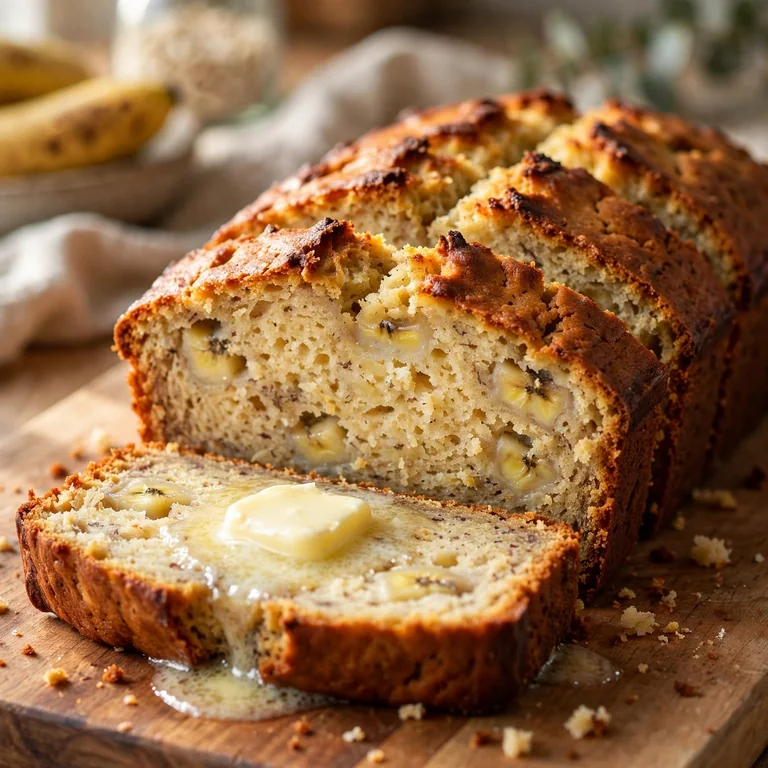
The first cold morning of autumn is when pumpkin bread makes the most sense. You pull a can of pumpkin puree from the pantry, mix everything in one bowl, and 65 minutes later the whole kitchen smells like cinnamon, ginger, and toasted brown sugar. The loaf comes out with a cracked top that splits down the center during baking, the edges pull slightly away from the pan, and the crumb inside is dense enough to feel substantial but moist enough to stay soft for three days.
This pumpkin bread recipe uses pantry ingredients you likely already have, requires no stand mixer, and produces a loaf that works equally well as breakfast, an afternoon snack, or something to wrap up and give away. The spice blend is built from four separate spices rather than a pre-mixed blend, which gives you more control over the flavor. It is genuinely one of the most reliable quick breads you can bake.

Why You’ll Love This Pumpkin Bread
- One bowl, no mixer needed. Everything combines in a single large bowl with a whisk and a spatula. There is no creaming butter, no folding egg whites, and nothing that requires special equipment.
- Stays moist for days. The oil in the batter (rather than butter) keeps the crumb soft and tender at room temperature for up to 3 days without drying out or crumbling when you slice it.
- Four-spice blend, not a pre-mixed shortcut. Cinnamon, ginger, nutmeg, and cloves each contribute something distinct. Using them separately lets you adjust the balance to your taste rather than accepting whatever ratio came in the jar.
- Freezer-friendly by the slice. Wrap individual slices and freeze them flat. Pull one out the night before and it thaws to the same texture as the day it was baked.
- Works as a base for variations. The batter takes well to chocolate chips, walnuts, a cream cheese swirl, or a streusel topping without any structural changes to the recipe.

Ingredients You’ll Need
Recipe Timing
| Detail | Info |
|---|---|
| Servings | 10 slices (1 standard loaf) |
| Difficulty | Easy |
| Course | Breakfast, Snack, Dessert |
| Cuisine | American |
| Prep Time | 15 minutes |
| Cook Time | 65 minutes |
| Total Time | 1 hour 20 minutes |
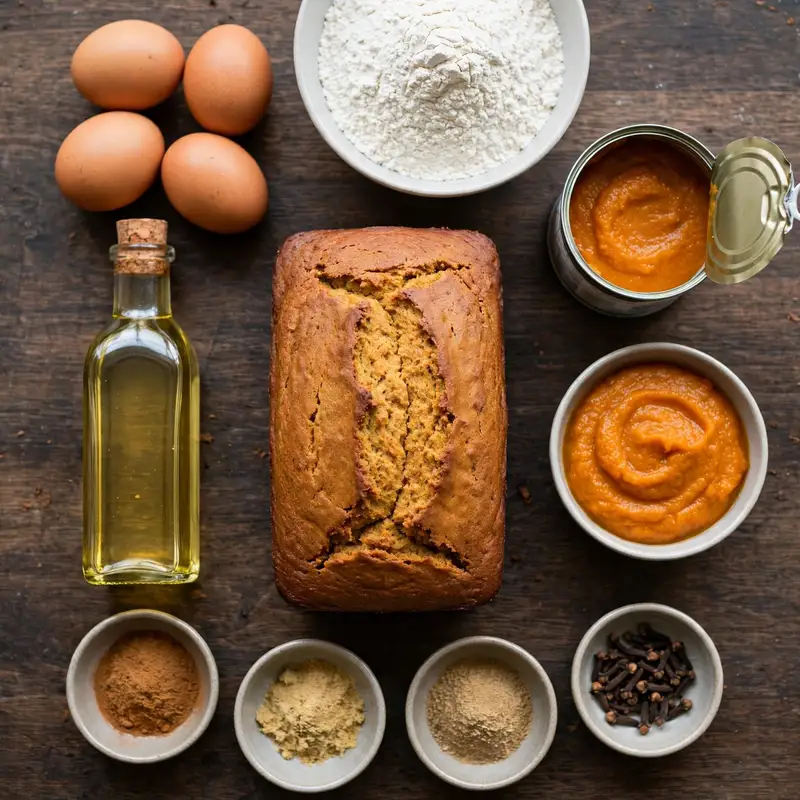
The most important ingredient decision here is the pumpkin. Use 100% pure pumpkin puree, not pumpkin pie filling. Pumpkin pie filling contains added sugar, spices, and thickeners that throw off the balance of the entire recipe. The can should list one ingredient: pumpkin. If you want to use fresh roasted pumpkin puree, that works too, but squeeze out any excess moisture through a cheesecloth first. Fresh pumpkin puree holds more water than canned and can make the loaf underbake in the center if you skip that step.
- 1 3/4 cups (210g) all-purpose flour. The structural base of the loaf. Measure by spooning into the cup and leveling off, not scooping directly from the bag, which compacts the flour and can make the bread dense and dry.
- 1 teaspoon baking soda. The primary leavening agent. It reacts with the slight acidity of the pumpkin puree to produce the rise and that characteristic domed, cracked top.
- 1/2 teaspoon baking powder. Works alongside baking soda for a steadier, more sustained lift through the long bake time.
- 1/2 teaspoon fine sea salt. Balances the sweetness and sharpens the spice flavor. Don’t reduce it.
- 1 1/2 teaspoons ground cinnamon. The dominant spice. Use a fresh jar; cinnamon loses its punch quickly after opening.
- 1/2 teaspoon ground ginger. Adds a gentle, warm bite that cinnamon alone doesn’t provide. Ground dried ginger is sharper and more concentrated than fresh here, which is what you want.
- 1/4 teaspoon ground nutmeg. Adds depth and a slightly floral warmth. Freshly grated nutmeg is noticeably more fragrant if you have whole nutmeg on hand.
- 1/4 teaspoon ground cloves. A small amount goes a long way. Cloves add a slightly smoky, deeply warm note that anchors the whole spice blend. Ground allspice is a direct substitute.
- 1 cup (240g) pure pumpkin puree (not pie filling). Provides moisture, color, flavor, and a small amount of natural binding. One standard 425g can gives you slightly more than you need; the leftover puree keeps in the fridge for 5 days.
- 3/4 cup (150g) granulated sugar. Sweetens and helps the loaf brown. You can reduce to 2/3 cup if you prefer a less sweet bread.
- 1/4 cup (55g) light brown sugar, packed. The molasses in brown sugar deepens the flavor and contributes to the moist, slightly sticky crumb characteristic of a good pumpkin loaf.
- 2 large eggs, at room temperature. Bind the batter and add structure. Cold eggs straight from the fridge can cause the oil to separate in the batter. Set them out 20 minutes before you start, or warm them in a bowl of lukewarm water for 5 minutes.
- 1/2 cup (120ml) neutral vegetable oil. Oil rather than butter is what keeps this loaf moist at room temperature for multiple days. Butter solidifies when cooled and makes baked goods drier faster. Canola, sunflower, or light olive oil all work.
- 1/4 cup (60ml) whole milk. Loosens the batter to the right pourable consistency. Any plant-based milk works as a direct substitute.
- 1 teaspoon pure vanilla extract. Rounds out the spice blend and adds a background sweetness that connects the flavors.
Allergen and Dietary Disclosure
This recipe contains gluten (all-purpose flour), dairy (whole milk), and eggs.
For a gluten-free version, use a 1:1 gluten-free baking flour blend that contains xanthan gum. The crumb will be slightly more tender and the loaf may need 3 to 5 extra minutes in the oven. Check doneness with a toothpick rather than relying on the time alone.
For a dairy-free version, replace the whole milk with any unsweetened plant-based milk. Oat milk and almond milk both work without changing the texture noticeably.
For an egg-free version, two flax eggs (2 tablespoons ground flaxseed mixed with 6 tablespoons water, rested 5 minutes) can replace the eggs. The loaf will be slightly denser and may need a few extra minutes of baking.
Free from nuts and soy as written. Not guaranteed safe for any specific allergy without checking all individual ingredient labels.
Step-by-Step Directions
Step 1: Prepare the Pan and Oven
Position an oven rack in the center of the oven and preheat to 175°C (350°F). Grease a standard 9×5 inch (23x13cm) loaf pan with butter or cooking spray, then line the bottom and long sides with a strip of parchment paper, leaving an overhang on each side. The parchment handles make it easy to lift the finished loaf cleanly out of the pan without cracking it.
Chef’s Note: The center rack position is deliberate. Too high and the top cracks and darkens before the center bakes through; too low and the bottom overbakes while the top stays pale.
Step 2: Combine the Dry Ingredients
Whisk together the flour, baking soda, baking powder, salt, cinnamon, ginger, nutmeg, and cloves in a large mixing bowl until the spices are evenly distributed through the flour. Whisking the dry ingredients together first eliminates clumps of baking soda and ensures the spices are evenly spread throughout every slice of the finished loaf rather than concentrated in pockets.
Step 3: Mix the Wet Ingredients
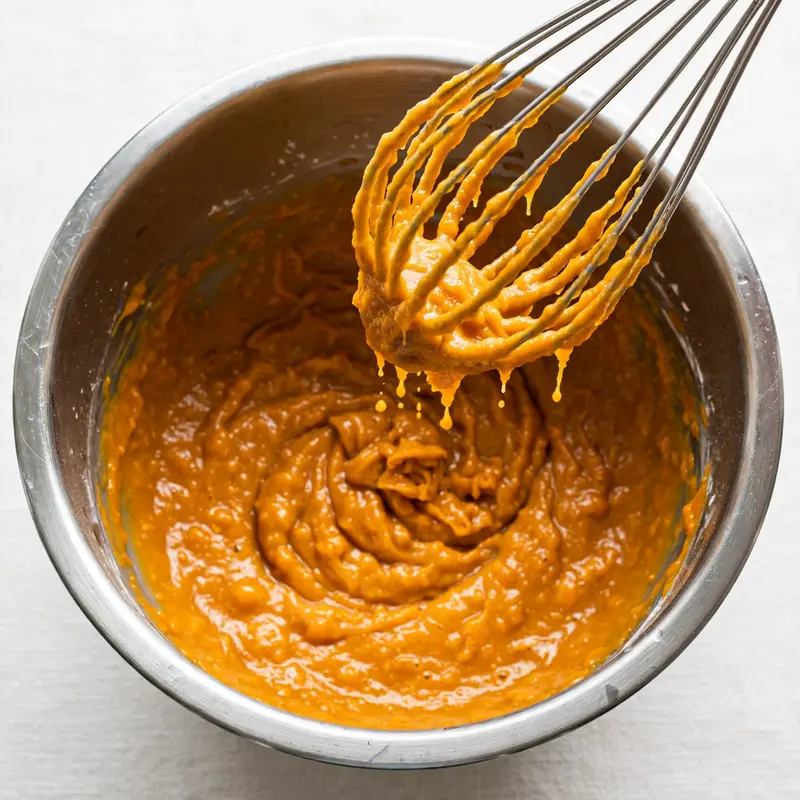
In a separate medium bowl or a large measuring jug, whisk together the pumpkin puree, granulated sugar, brown sugar, eggs, oil, milk, and vanilla extract until the mixture is smooth and the two sugars are fully dissolved, about 60 to 90 seconds of steady whisking. The batter will look glossy and a deep orange-brown color at this stage.
Chef’s Note: Combining the wet ingredients separately before adding them to the dry ones gives you a batter that comes together with fewer strokes once the two mixtures meet. Fewer strokes mean less gluten development and a more tender crumb.
Step 4: Fold Wet Into Dry
Pour the wet ingredient mixture into the bowl of dry ingredients. Switch to a rubber spatula and fold with wide, deliberate strokes that scoop from the bottom of the bowl and fold over the top. Stop folding the moment you can no longer see streaks of dry flour. The batter will be thick, glossy, and slightly lumpy in places, which is correct. Overmixing from this point develops gluten and produces a tight, rubbery crumb instead of the open, tender texture you want.
Step 5: Pour and Level the Batter
Scrape the batter into the prepared loaf pan and spread it level with the spatula. Give the pan two or three firm taps on the counter to settle the batter into the corners and release any large air bubbles trapped underneath the surface.
Step 6: Bake Until a Toothpick Comes Out Clean
Place the loaf pan on the center rack and bake for 60 to 65 minutes. The loaf is done when the top is deep amber-brown with a natural crack running down the center, the edges have pulled slightly away from the pan sides, and a toothpick inserted into the center of the loaf comes out clean or with a few dry crumbs. Wet batter on the toothpick means it needs 5 more minutes. Check again before deciding.
If the top looks very dark at the 45-minute mark but the center is still raw, lay a loose piece of foil over the top of the pan and continue baking. This slows the surface browning without affecting the internal temperature.
Chef’s Note: Quick breads take longer than you think. Resist opening the oven door before the 55-minute mark. The loaf is still setting structurally in the first two-thirds of baking and cold air from an open oven door can cause it to sink slightly in the center.

Step 7: Cool Before Slicing
Leave the loaf in the pan for exactly 10 minutes after it comes out of the oven. Then lift it out using the parchment paper handles and transfer it to a wire cooling rack. Leave it to cool for at least 30 minutes before slicing. Cutting into a hot quick bread compresses the crumb and gives you a gummy, dense texture at the cut edge. A 30-minute rest is the minimum; a full hour produces the cleanest slices.
Common Mistakes and Troubleshooting
| Problem | Cause | Solution |
|---|---|---|
| Gummy or wet center after full bake time | Underbaked; oven runs cool | Use toothpick test; add 5-minute increments until clean; verify oven temp with thermometer |
| Dense, heavy crumb | Overmixed batter or too much flour | Fold only until no dry streaks remain; spoon flour into cup, don’t scoop |
| Top cracked and dark before center is baked | Oven too hot or rack too high | Use center rack; lay foil loosely over pan after 45 minutes if browning fast |
| Bread tastes bland despite spices | Old spices or insufficient salt | Replace spice jars older than 6 months; don’t reduce the salt |
| Loaf stuck in the pan | Insufficient greasing or no parchment | Always grease pan and use a parchment strip; run a butter knife around the edges before lifting |
| Sunken center after cooling | Oven door opened too early; underbaked | Don’t open the oven before 55 minutes; ensure toothpick test is clean before removing |
| Dry crumb two days after baking | Butter used instead of oil; stored uncovered | Use neutral oil in the batter; wrap the cooled loaf tightly in plastic wrap for storage |
Variations and Substitutions
Chocolate Chip Pumpkin Bread: Fold 3/4 cup (130g) of semi-sweet chocolate chips into the finished batter just before pouring it into the pan. Press a handful of extra chips into the surface before baking. The chocolate adds bittersweet contrast against the warm spice.
Pumpkin Walnut Bread: Stir 1/2 cup (60g) of roughly chopped walnuts into the batter along with a tablespoon of brown sugar pressed into the top before baking. The walnuts toast slightly inside the loaf during the long bake time and add a pleasant crunch.
Cream Cheese Swirl: Beat 170g of softened cream cheese with 3 tablespoons sugar and 1 egg yolk until smooth. Pour half the pumpkin batter into the pan, spoon the cream cheese mixture over it in a layer, then top with the remaining batter. Run a knife through in wide S-curves to swirl. The cream cheese ribbons set into a tangy, cheesecake-like layer through the middle.
Streusel Topped: Mix 1/3 cup flour, 1/4 cup brown sugar, 1/2 teaspoon cinnamon, and 3 tablespoons cold butter worked into crumbs with your fingers. Scatter over the batter before baking for a crunchy, caramelized crust on top.
Mini Loaves: Divide the batter among three 5×3 inch mini loaf pans and reduce baking time to 35 to 40 minutes. Check at 35 minutes with a toothpick. Mini loaves make good gifts because they slice into perfect individual portions.
Healthier Version: Replace half the all-purpose flour with white whole wheat flour and reduce the oil to 1/3 cup, adding an extra 2 tablespoons of milk to compensate. The loaf will be slightly denser but still moist, with a nuttier background flavor.
Serving Suggestions
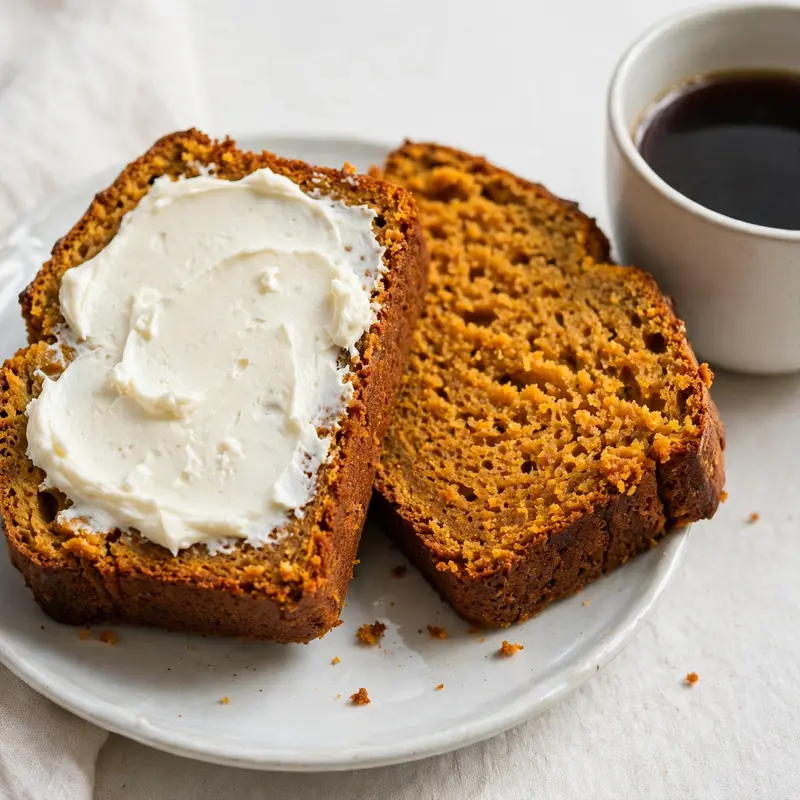
- Warm with salted butter. Slice it while still slightly warm, about 45 minutes out of the oven, and spread with cold salted butter that melts into the crumb. The salt against the sweet spice is a genuinely good combination.
- With a smear of cream cheese. Plain or lightly sweetened cream cheese pairs with pumpkin bread the way it pairs with a bagel: the tang offsets the sweetness and the richness feels appropriate.
- As part of a fall breakfast spread. Alongside scrambled eggs and a strong cup of coffee or masala chai, a thick slice of pumpkin bread rounds out the plate without needing any preparation.
- Toasted the next day. Day-old pumpkin bread sliced and toasted in a toaster or under the broiler for 2 to 3 minutes develops a slightly crispier edge while the center stays moist. The spice flavor intensifies slightly with the heat.
- With a drizzle of honey or maple syrup. A light drizzle over a warm slice adds a floral sweetness that deepens the brown sugar notes already in the bread.
- As a dessert with whipped cream. A thick slice with a spoonful of lightly sweetened whipped cream turns pumpkin bread into a plated dessert that looks considerably more put-together than the effort involved.
Tips for the Best Results
- Use oil, not melted butter. This is the single biggest factor in keeping pumpkin bread moist for more than one day. Oil stays liquid at room temperature and keeps the crumb tender and supple. Butter solidifies as the loaf cools and makes the texture progressively drier.
- Don’t use pumpkin pie filling. The can labels look similar enough to cause confusion. Pumpkin pie filling contains added sugar and spices that change the sweetness and flavor balance of the entire recipe. Pure pumpkin puree should have one ingredient on the label.
- Spoon and level the flour. Scooping the measuring cup directly into the flour bag packs extra flour in without you realizing it. That extra 20 to 30g of flour is what turns a moist, tender loaf into a dense, dry one. Spoon it in and level with a straight edge.
- Let the spices bloom. The spices in this recipe go into the dry mix rather than being stirred into the wet batter. When the wet ingredients hit the spiced flour, the moisture releases the essential oils in the spices faster than if they were stirred into the wet mix alone. It is a small detail that makes the spice flavor more immediate in the finished loaf.
- Rest the loaf before slicing. Quick breads are still actively setting as they cool. Cutting too early compresses the crumb at the cut face and gives you a sticky, unpleasant texture there. Thirty minutes is the minimum wait; one hour is better.
Storage Tips
Refrigerator
Wrap the completely cooled loaf tightly in plastic wrap or store slices in an airtight container. Room temperature is actually the better storage option for 1 to 3 days, as the fridge dries quick breads out faster due to low humidity. If your kitchen is warm or humid, refrigerate and bring a slice to room temperature before eating. Refrigerated pumpkin bread keeps for up to 1 week.
Freezer
Pumpkin bread freezes exceptionally well. Wrap the whole loaf or individual slices in plastic wrap, then in a layer of aluminum foil or inside a freezer zip-lock bag. Label with the date. It keeps in the freezer for up to 3 months with no loss of quality. Freezing by the slice is the most practical approach: pull out one slice at a time and thaw at room temperature for about 45 minutes.
Reheating
From room temperature: a slice microwaved for 15 to 20 seconds at full power is warm and soft. From frozen: thaw overnight in the fridge or at room temperature for 45 minutes, then warm in the microwave for 20 seconds, or toast lightly for a slightly crisper edge. From the whole frozen loaf: thaw overnight at room temperature, still wrapped, before slicing.
Nutrition Information
Per serving (1 slice, approximately 1/10 of the loaf, about 80g)
| Nutrient | Amount |
|---|---|
| Calories | 245 kcal |
| Protein | 3.5g |
| Carbohydrates | 38g |
| Fiber | 1.5g |
| Sugar | 22g |
| Total Fat | 10g |
| Saturated Fat | 1.5g |
| Cholesterol | 40mg |
| Sodium | 195mg |
| Vitamin C | 2mg |
| Vitamin A | 3200 IU |
| Calcium | 32mg |
| Iron | 1.5mg |
| Potassium | 115mg |
Nutrition values are approximate and may vary based on brands and portion sizes.
Why This Recipe Works
Quick breads operate on a simple chemical principle: liquid activates the leavening agents, heat drives the rise, and the structure sets as the proteins in the eggs and flour coagulate. What makes pumpkin bread distinct is that pumpkin puree does three jobs at once. It adds moisture, it provides natural sugar and color, and its mild acidity activates the baking soda more efficiently than it would in a neutral batter. That reaction is why this loaf gets a more pronounced dome and a deeper crack along the top than many other quick breads.
Using two sugars serves a specific purpose. Granulated sugar dissolves cleanly and sweetens without adding color. Brown sugar contributes molasses, which is hygroscopic: it actively holds onto moisture in the baked crumb. The combination of the two is why pumpkin bread stays noticeably moister on day two than a loaf made with only white sugar.
Oil over butter is a deliberate choice with a real textural consequence. Butter contains roughly 18% water, which evaporates during baking and contributes to a drier, crumblier crumb as the loaf cools and the fat re-solidifies. Oil is 100% fat, stays liquid at room temperature, and coats the gluten strands in the batter more evenly than butter can. The result is a crumb that stays tender for longer with no refrigeration required.
The four-spice combination here was tested against a pre-mixed pumpkin pie spice blend in side-by-side bakes. The from-scratch blend gives you a more pronounced front note of cinnamon with ginger adding heat and cloves providing the deep background warmth. Pre-mixed blends vary significantly by brand in their cinnamon-to-clove ratio, which makes results inconsistent. Individual spices give you control.
Frequently Asked Questions
Can I make pumpkin bread ahead of time?
Yes, and pumpkin bread is actually one of the best baked goods to make a day ahead. The flavor deepens overnight as the spices fully infuse through the crumb. Bake it the day before, cool it completely, wrap it tightly in plastic wrap, and leave it at room temperature. It slices more cleanly the next day than it does warm from the oven, and the texture is at its best somewhere between 12 and 24 hours after baking.
Why is my pumpkin bread still wet in the middle after the full bake time?
The most likely cause is an oven that runs cooler than its dial setting, which is extremely common in home ovens. A loaf that looks done on top but is raw in the center needs more time regardless of what the clock says. Add 5-minute increments and retest with a toothpick after each. Investing in an oven thermometer is the permanent fix: many home ovens run 10 to 25 degrees cooler than they display, which adds significant time to any bake.
Can I use fresh pumpkin instead of canned?
Yes, but fresh pumpkin puree typically has a higher water content than canned, which can make the loaf underbake in the center. After roasting and pureeing the pumpkin, spread the puree onto a clean kitchen towel or cheesecloth and squeeze out as much liquid as possible, or leave it in a fine mesh strainer over a bowl for 30 minutes. Once it is a similar consistency to canned puree, it can be used as a 1:1 replacement.
Can I substitute the oil with applesauce?
Yes, partially. Replace up to half the oil with an equal amount of unsweetened applesauce to reduce the fat content. Replacing all the oil with applesauce produces a loaf that is noticeably gummier and denser, and it dries out significantly faster after day one. A half-and-half split is a workable compromise that keeps the texture reasonably tender while reducing the overall oil content.
How do I know when pumpkin bread is done baking?
The most reliable method is a toothpick inserted into the very center of the loaf, not the edge. It should come out completely clean or with a few dry crumbs. Wet batter on the toothpick means more time is needed. As a secondary check, the top should be deep amber-brown with a natural crack, the edges should be pulling slightly away from the pan, and the loaf should spring back when you press lightly on the top surface. If it feels soft and gives under pressure, give it 5 more minutes.
Is pumpkin bread suitable for people with gluten intolerance?
As written, this recipe is not gluten-free because it uses all-purpose wheat flour. For a gluten-free version, replace the flour with a 1:1 gluten-free baking blend that already contains xanthan gum or another binder. The texture will be slightly more tender and the loaf may need 3 to 5 extra minutes in the oven. Check doneness with a toothpick and cool fully before slicing, as gluten-free quick breads slice more cleanly once completely cooled.
Can I make pumpkin bread muffins with this batter?
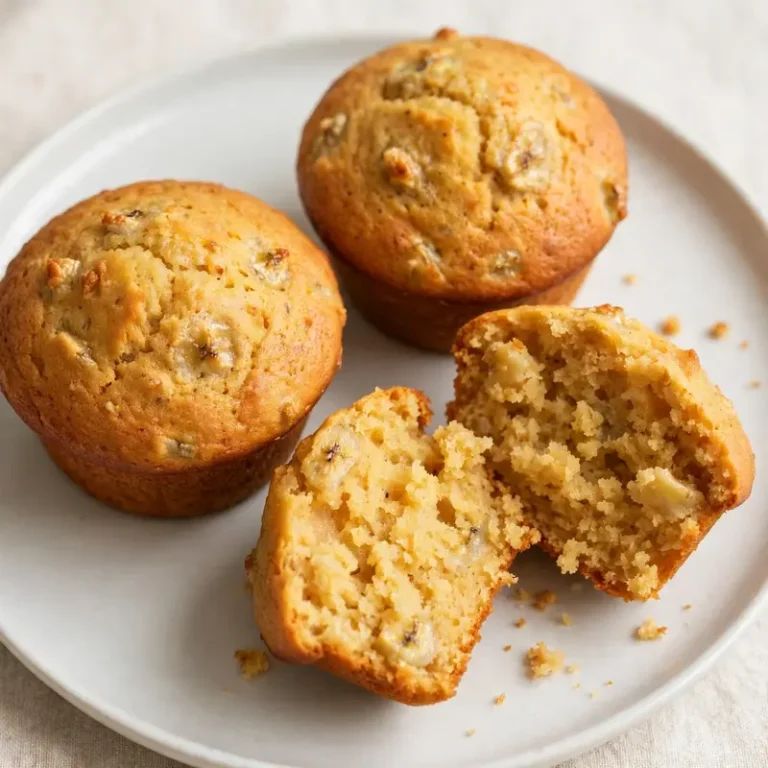
Yes. Divide the batter evenly among 12 standard muffin cups lined with paper liners, filling each about three-quarters full. Bake at 175°C (350°F) for 20 to 22 minutes, until a toothpick inserted into the center of a middle muffin comes out clean and the tops spring back when pressed lightly. The muffins cool much faster than the loaf and can be sliced and eaten about 15 minutes out of the oven.

Conclusion
Pumpkin bread is one of those recipes that asks very little and delivers a lot. One bowl, 15 minutes of prep, and an oven that does the rest. The loaf that comes out is moist enough to stay good for three days, spiced well enough to taste intentional rather than generic, and versatile enough to work for breakfast, snacks, or dessert without changing anything about the recipe itself. Once you have this pumpkin bread recipe in your regular rotation, you will find yourself keeping a can of pumpkin puree in the pantry year-round rather than just in autumn.
If you loved this recipe, save it to your quick bread recipes Pinterest board so you can find it easily later! For more recipes and daily food inspiration, follow TheCookingVibes on Pinterest.
Moist Pumpkin Bread
Ingredients
Equipment
Method
- Preheat oven to 175°C (350°F). Grease a 9×5 inch loaf pan and line with a parchment paper strip, leaving an overhang on the long sides for easy lifting.
- Whisk flour, baking soda, baking powder, salt, cinnamon, ginger, nutmeg, and cloves together in a large bowl.
- In a separate bowl, whisk pumpkin puree, both sugars, eggs, oil, milk, and vanilla until smooth and the sugar is dissolved.
- Pour the wet mixture into the dry ingredients and fold with a rubber spatula just until no dry flour streaks remain. Do not overmix.
- Pour batter into the prepared pan, level the surface, and tap twice on the counter to release air bubbles.
- Bake on the center rack for 60 to 65 minutes until the top is deep amber-brown with a natural center crack and a toothpick inserted in the center comes out with a few moist crumbs.
- Cool in the pan for 10 minutes, then lift out using the parchment handles and transfer to a wire rack. Rest at least 30 minutes before slicing.
Notes
- Use pure pumpkin puree only, not pumpkin pie filling. They are different products.
- Measure flour by spooning into the cup and leveling off to avoid a dense loaf.
- The loaf keeps wrapped at room temperature for up to 3 days. Individual slices freeze well for up to 3 months.
- For muffins, divide batter into 12 lined cups and bake at 175°C (350°F) for 20 to 22 minutes.