
Easy Pumpkin Muffins (Moist, Warmly Spiced, Domed Tops)
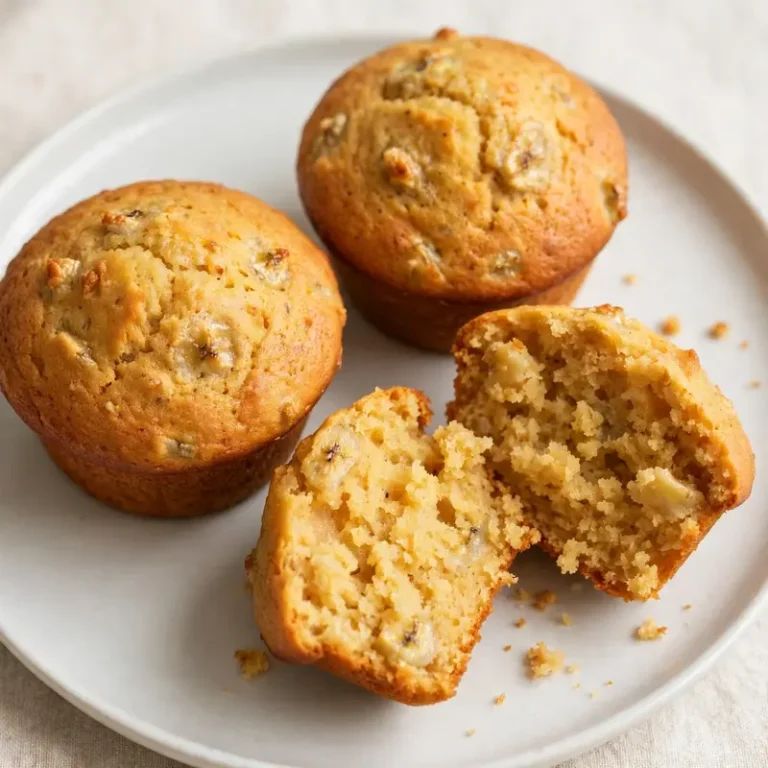
Pull a tray of pumpkin muffins from the oven when the tops are just starting to crack along the crown and the kitchen has filled with cinnamon, ginger, and toasted brown sugar. Press lightly on the center of one: it springs back firmly, the dome holds its shape, and the paper liner at the base has already pulled slightly away from the crumb. That is the moment. Ten minutes later, with the muffin still a little warm, the crumb inside is dense enough to feel substantial but moist enough that it practically melts without any butter required.
This pumpkin muffins recipe uses one bowl, no mixer, and ingredients that are very likely already in your pantry. The spice blend is made from four individual spices rather than a pre-mixed pumpkin spice blend, which gives you more control over flavor. Pure canned pumpkin puree keeps the batter together and adds natural sweetness and color without any prep work. The recipe makes 12 standard muffins in just over 35 minutes and stays moist at room temperature for three days straight.

Why You’ll Love These Pumpkin Muffins
- One bowl, genuinely no mixer. Whisk the wet ingredients in one bowl, add the dry ingredients, fold, and bake. No creaming, no stand mixer, nothing that adds time or dishes.
- The crumb stays moist for three days. Oil rather than butter is the reason. It stays liquid at room temperature and keeps the crumb tender long after the oven is off, which means day-two muffins are just as good as day-one.
- Domed tops every time. Starting the oven at a slightly higher temperature for the first few minutes creates an initial burst of rise that sets the dome before the muffin spreads outward. The technique is reliable and produces the bakery height people expect.
- A spice blend you can taste. Cinnamon, ginger, nutmeg, and cloves used individually rather than from a blend means each spice does its own job: cinnamon leads, ginger adds warmth, nutmeg gives depth, and cloves anchor the whole thing.
- Endlessly adaptable base batter. The recipe works as written and also takes chocolate chips, walnuts, a streusel topping, or a cream cheese swirl without changing the structure.

Ingredients You’ll Need
Recipe Timing
| Detail | Info |
|---|---|
| Servings | 12 standard muffins |
| Difficulty | Easy |
| Course | Breakfast, Snack |
| Cuisine | American |
| Prep Time | 12 minutes |
| Cook Time | 22 minutes |
| Total Time | 34 minutes |
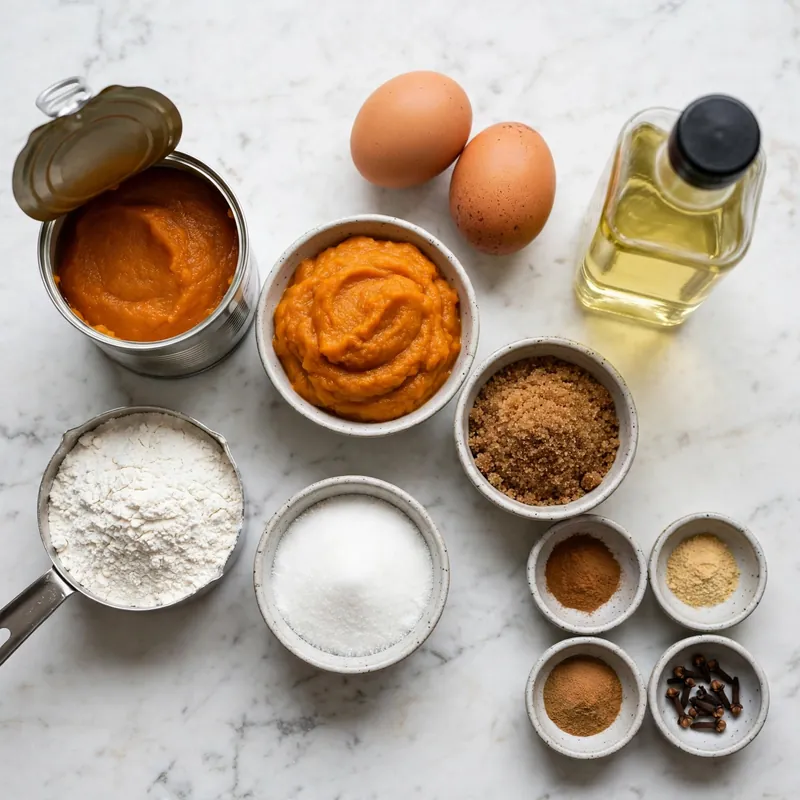
The most important selection tip in this recipe is the pumpkin. Use 100% pure pumpkin puree from a can, not pumpkin pie filling. Pumpkin pie filling contains added sugar, spices, and thickeners that change the sweetness, the flavor balance, and the moisture content of the entire batter. The ingredient label on the can should list only pumpkin. Most standard 425g cans give you slightly more than you need for one batch; the extra keeps in the fridge for 4 to 5 days and works well stirred into oatmeal or smoothies.
For the sugar, this recipe uses both granulated and light brown sugar. The granulated sugar keeps the crumb from being too dense and caramelized; the brown sugar adds molasses depth and a slightly sticky, moist texture that is distinctive of a well-made pumpkin baked good. Swapping entirely to one or the other changes the character of the muffin noticeably.
- 1 3/4 cups (210g) all-purpose flour. The structural base of the muffin. Spoon it into the measuring cup and level off rather than scooping from the bag, which packs extra flour and produces a dry, dense crumb.
- 1 teaspoon baking soda. Reacts with the natural acidity in the pumpkin puree to create the initial rise and the characteristic domed top.
- 1/2 teaspoon baking powder. Works alongside baking soda for a sustained, even lift through the full bake time.
- 1/2 teaspoon fine sea salt. Sharpens the sweetness and amplifies the spice flavor. Don’t reduce it.
- 1 1/2 teaspoons ground cinnamon. The dominant spice. Use a jar that was opened within the last 6 months; older cinnamon tastes flat and papery.
- 1/2 teaspoon ground ginger. Adds a gentle, building warmth that cinnamon alone doesn’t provide.
- 1/4 teaspoon ground nutmeg. Adds a slightly floral, deep warmth. Freshly grated whole nutmeg is noticeably more fragrant if you have it.
- 1/4 teaspoon ground cloves. A small amount adds a smoky, deeply warm note that anchors the spice blend. Ground allspice is a 1:1 substitute.
- 1 cup (240g) pure pumpkin puree. The primary moisture source, color, and natural sweetness in the batter. Not pie filling.
- 1/2 cup (100g) granulated sugar. Sweetens and helps the muffins brown evenly.
- 1/3 cup (75g) light brown sugar, packed. Adds molasses depth and contributes to the moist, slightly sticky crumb.
- 2 large eggs, at room temperature. Provide structure and bind the batter. Cold eggs can cause the oil to separate in the wet mix.
- 1/2 cup (120ml) neutral vegetable oil. Keeps the crumb moist for days. Canola, sunflower, or light olive oil all work. Oil rather than melted butter is a deliberate choice for texture and longevity.
- 1/4 cup (60ml) whole milk. Loosens the batter to the right consistency. Any plant-based milk substitutes directly.
- 1 teaspoon pure vanilla extract. Rounds out the spice blend and adds a subtle background sweetness.
Allergen and Dietary Disclosure
This recipe contains gluten (all-purpose flour), dairy (whole milk), and eggs.
For a gluten-free version, use a 1:1 gluten-free baking flour blend that already contains xanthan gum. The muffins may dome slightly less dramatically and need 2 to 3 extra minutes in the oven. Cool them completely in the pan before removing to prevent crumbling.
For a dairy-free version, replace the whole milk with any unsweetened plant-based milk. Oat milk and almond milk both work without any detectable texture change.
For an egg-free version, use 2 flax eggs (2 tablespoons ground flaxseed mixed with 6 tablespoons water, rested for 5 minutes) as a direct substitute. The muffins will be slightly denser and may need 3 extra minutes of baking time.
Free from nuts and soy as written. Not guaranteed safe for any specific allergy without verifying all individual ingredient labels.
Step-by-Step Directions
Step 1: Preheat the Oven High, Then Drop the Temperature
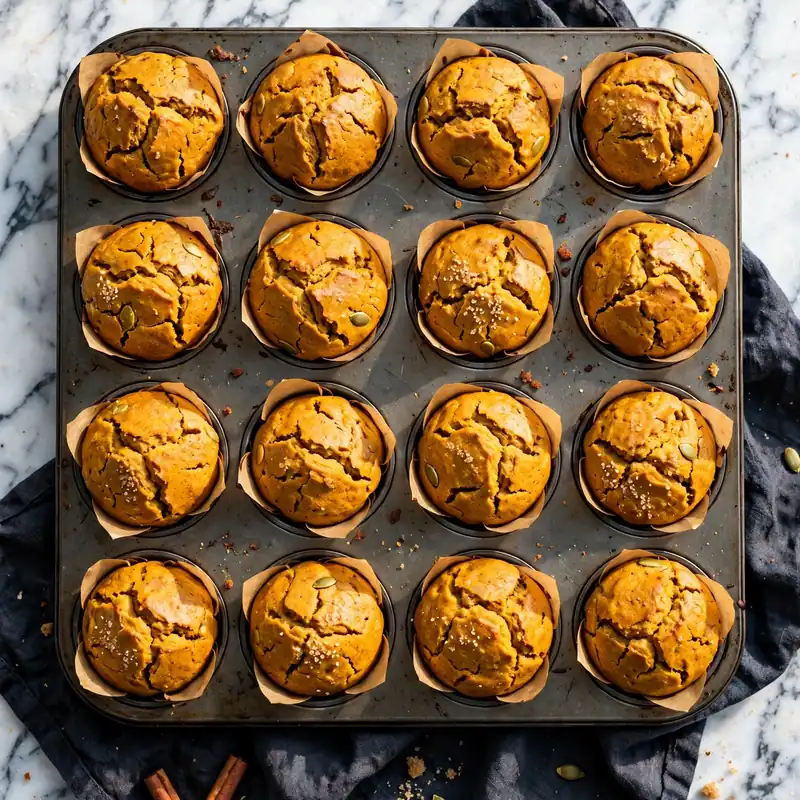
Preheat your oven to 220°C (425°F) and position the rack in the center. Line a standard 12-cup muffin tin with paper liners. The high initial temperature creates a burst of steam inside the batter that forces the top to rise sharply and set as a dome before the sides spread. After placing the tin in the oven, you will reduce the temperature immediately, but that initial 220°C (425°F) is what separates bakery-height domes from flat, spread-out tops.
Step 2: Whisk the Wet Ingredients
In a large mixing bowl, whisk the pumpkin puree, granulated sugar, brown sugar, eggs, oil, milk, and vanilla extract together until smooth and well combined, about 60 to 90 seconds. The mixture should look uniform with no streaks of egg white or visible oil pooling on the surface.

Chef’s Note: Combining all the wet ingredients first, including the sugars, before the flour goes in is a technique that produces a smoother batter with fewer lumps. Sugar dissolves more efficiently in the wet mixture than it would in the flour.
Step 3: Add the Dry Ingredients
Add the flour, baking soda, baking powder, salt, cinnamon, ginger, nutmeg, and cloves directly to the wet mixture. Switch from a whisk to a rubber spatula and fold the dry ingredients into the wet using wide, circular strokes that scrape the bottom of the bowl with each pass. Stop the moment you no longer see dry flour streaks: the batter at this stage will look slightly lumpy, and that is exactly right. Over-mixing develops gluten and produces a tight, rubbery muffin instead of a tender one.
Chef’s Note: Lumpy muffin batter is properly-mixed muffin batter. The lumps are pockets of hydrating flour that will cook out completely in the oven. A perfectly smooth muffin batter has almost always been over-mixed.

Step 4: Fill the Muffin Cups
Divide the batter evenly among the 12 lined cups using an ice cream scoop or a 1/4 cup measure, filling each one all the way to the top of the paper liner. Unlike cupcakes, muffins benefit from a full cup of batter: the overflow of batter above the liner rim is what creates that distinctive mushroom cap dome. If you fill them only three-quarters full, the tops will be flat or only slightly rounded.
Chef’s Note: Filling muffin cups to the rim is counter-intuitive for anyone used to making cupcakes, where a three-quarter fill is standard. The key difference is that muffin batter is thicker and has more leavening power relative to its volume, so it rises up and sets rather than spreading sideways.
Step 5: Bake at High Heat, Then Reduce
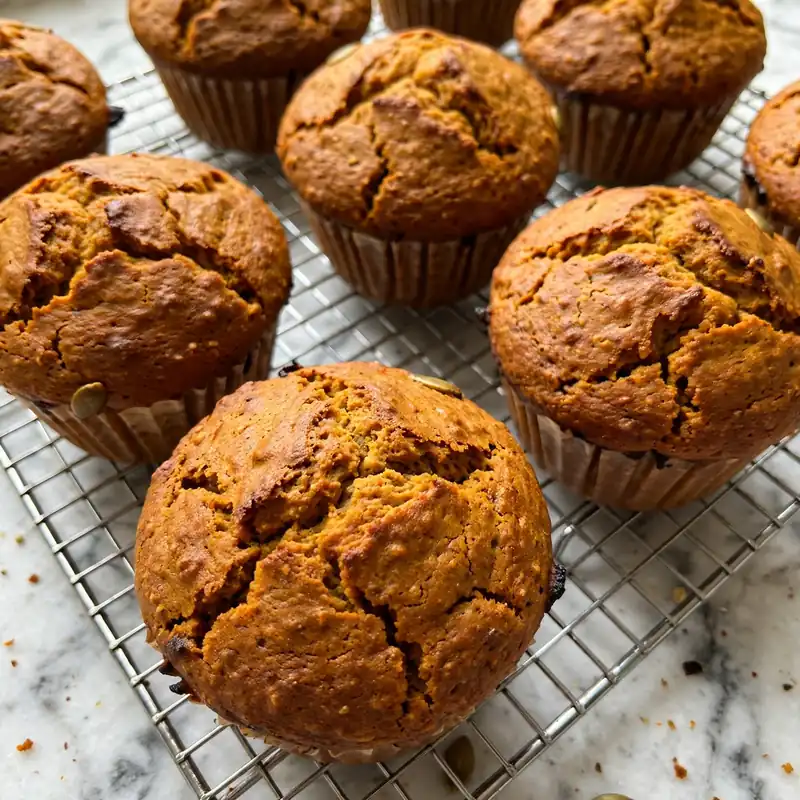
Place the filled tin in the preheated 220°C (425°F) oven. Immediately reduce the oven temperature to 175°C (350°F) without opening the door. Bake for 20 to 22 minutes total. The muffins are done when the domes are deep golden-amber and spring back firmly when you press the center lightly, the edges have pulled away from the paper liner slightly, and a toothpick inserted into the center of one muffin in the middle of the tin comes out clean or with a few dry crumbs attached.
Step 6: Cool and Serve
Leave the muffins in the tin for 5 minutes after removing them from the oven. Then lift each one out by its paper liner and transfer to a wire rack to cool. Leaving them in the tin longer traps steam around the base and turns the bottom of the liner soggy. The muffins are ready to eat 10 to 15 minutes out of the oven while still slightly warm, or fully at room temperature after 30 minutes.
Common Mistakes and Troubleshooting
| Problem | Cause | Solution |
|---|---|---|
| Flat tops with no dome | Muffin cups under-filled; no high-heat start | Fill cups to the rim of the liner; start at 220°C (425°F) before dropping to 175°C (350°F) |
| Dense, heavy crumb | Over-mixed batter or too much flour | Fold only until no dry streaks remain; spoon flour into cup, don’t scoop directly from bag |
| Gummy or wet center after full bake time | Oven runs cool; underbaked | Use a toothpick test; add 3-minute increments; verify oven temp with a thermometer |
| Bland flavor despite spices | Spice jars are old or too little used | Replace spice jars older than 6 months; don’t reduce the amounts |
| Muffins too moist and collapse when lifted | Removed from pan too soon | Leave in tin for exactly 5 minutes before transferring; cool fully on a rack before stacking |
| Bottom of liners soggy | Left in the pan too long after baking | Transfer to a wire rack after 5 minutes; don’t let them sit in the tin steaming |
| Muffins sticking to paper liners | Liners used when muffins still too warm | Let muffins cool for at least 20 minutes before peeling; standard liners sometimes stick to very moist batters regardless |
Variations and Substitutions
Chocolate Chip Pumpkin Muffins: Fold 3/4 cup (130g) of semi-sweet chocolate chips into the finished batter with 3 to 4 gentle strokes before filling the cups. Press a few extra chips into the top of each muffin before baking for a bakery-style appearance. The chocolate adds a bittersweet contrast that works particularly well against the warm spices.
Brown Sugar Streusel Topped: Mix 3 tablespoons brown sugar, 2 tablespoons flour, 1/4 teaspoon cinnamon, and 1 tablespoon cold butter worked into crumbs between your fingers. Scatter over the filled muffin cups before baking. The streusel caramelizes during the high-heat start and produces a crispy, sweet crust on top.
Pumpkin Walnut Muffins: Stir 1/2 cup (60g) of roughly chopped walnuts into the batter alongside the dry ingredients. The walnuts toast slightly in the oven and add an earthy, slightly bitter crunch that balances the sweetness of the batter.
Spiced Cream Cheese Swirl: Beat 115g of softened cream cheese with 2 tablespoons of sugar and 1/4 teaspoon of vanilla until smooth. Drop one heaped teaspoon of cream cheese mixture into the center of each filled muffin cup, then drag a toothpick through it in one figure-eight motion to create a swirl. The cream cheese bakes into a tangy, cheesecake-like ribbon through the center.
Healthier Version: Replace half the all-purpose flour with white whole wheat flour and reduce the oil to 1/3 cup (80ml), adding an extra 2 tablespoons of milk to maintain moisture. Reduce the granulated sugar to 1/3 cup (65g). The muffins will be slightly denser with a nuttier flavor, but the pumpkin keeps them moist enough that the reduced fat is not noticeable.
Mini Pumpkin Muffins: Divide the batter into a 24-cup mini muffin tin, filling each cup to the rim. Bake at the same initial high temperature for 5 minutes, then reduce to 175°C (350°F) and bake for a further 8 to 10 minutes. Check at 12 minutes total: a toothpick in the center should come out clean. Mini muffins cool in 10 minutes and are perfect for lunchboxes or a gathering where individual portions are easier to manage.
Serving Suggestions
- Still warm with no additions. A pumpkin muffin pulled from the rack 15 minutes out of the oven needs nothing else. The crumb is at its most tender, the spice is at its sharpest, and the dome is still slightly crisp on top.
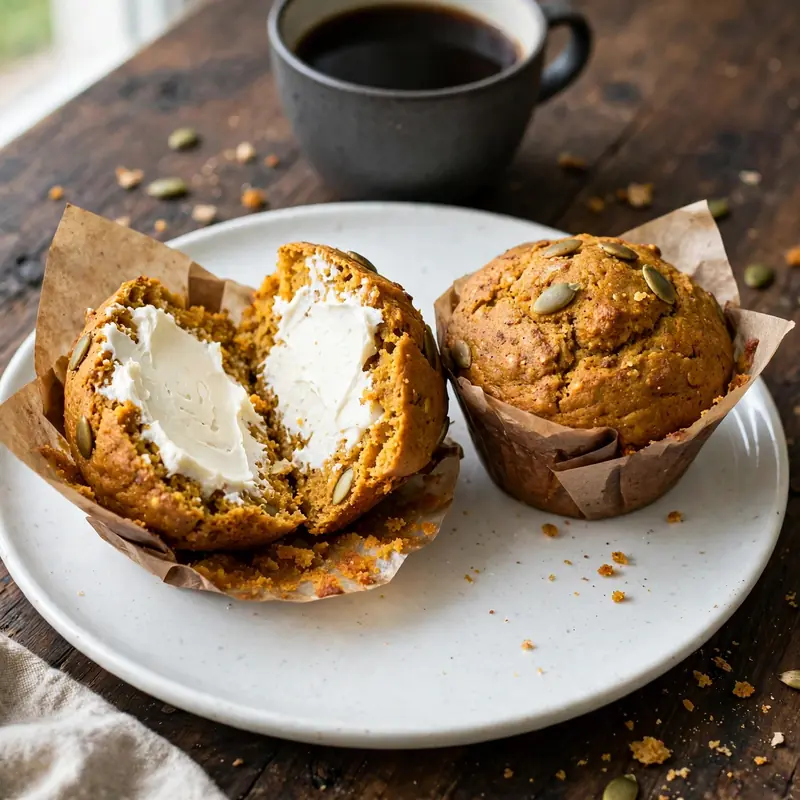
- With salted butter. Split a slightly cooled muffin and spread cold salted butter across the cut face. The salt against the sweetness of the brown sugar and pumpkin is a classic combination that makes a good muffin taste excellent.
- As part of an autumn breakfast spread. Alongside scrambled eggs, strong black coffee or chai, and fresh fruit, pumpkin muffins replace any need for toast or pastry and add seasonal warmth to the table.
- With cream cheese. Plain cream cheese spread on a split muffin is the same pairing logic as a bagel with cream cheese: the tang cuts the sweetness and the richness makes it more filling.
- As a lunchbox snack. Fully cooled muffins travel well in a small container or wrapped individually. They hold at room temperature for 3 days and don’t need refrigeration for that period.
- Toasted the next day. Slice day-old muffins in half and place them cut-side down in a dry skillet over medium heat for 2 minutes. The surface caramelizes slightly and the interior warms up, which refreshes the texture and deepens the spice flavor.
Tips for the Best Results
- Start hot, then drop the temperature. The 220°C to 175°C (425°F to 350°F) temperature drop at the start of baking is the single most reliable technique for tall, domed muffin tops. The high initial heat sets the rise before the batter can spread sideways. Don’t skip it, and don’t open the oven door during the first 12 minutes.
- Fill the cups completely. Muffin cups filled to the rim of the liner produce the tallest, most visually impressive result. Cups filled three-quarters produce flat or barely-domed muffins that look like they were baked in a standard tin by accident.
- Weigh the flour. A digitally measured 210g of flour is always 210g. A scooped cup can be anywhere from 120g to 165g depending on how the flour settled in the bag. That 40g difference is the gap between moist and dry.
- Use room temperature eggs. Cold eggs added to oil can cause small, temporary pockets of separated fat in the wet batter. They cook out in the oven but can create slightly uneven texture in the finished crumb. Set eggs out for 15 to 20 minutes before starting, or submerge them in a bowl of warm water for 5 minutes.
- Don’t open the oven before 15 minutes. The muffins are in their most critical rise phase during the first two-thirds of baking time. Opening the oven door drops the temperature, which can interrupt the dome-setting process and leave you with sunken centers.
Storage Tips
Refrigerator
Room temperature is the better storage option for pumpkin muffins up to 3 days: the refrigerator’s low humidity dries quick breads out faster than a covered container on the counter. Store cooled muffins in an airtight container at room temperature. If your kitchen is very warm or humid, or you want to keep them beyond 3 days, refrigerate in a sealed container and bring to room temperature for 15 to 20 minutes before eating.
Freezer
Pumpkin muffins freeze exceptionally well and are one of the most practical baked goods to batch-freeze. Cool completely on a rack, then place on a baking sheet in a single layer and freeze until solid, about 1 to 2 hours. Transfer to a zip-lock freezer bag, press out the air, label with the date, and freeze for up to 3 months. Freezing them individually first prevents them from sticking together in the bag.
Reheating
From frozen: place one unwrapped muffin on a plate and microwave at full power for 25 to 35 seconds, then rest 1 minute before eating. Alternatively, place frozen muffins on a baking sheet and warm in a 160°C (325°F) oven for 8 to 10 minutes for a fresher result with a slightly crisper top. From room temperature or the fridge: 15 seconds in the microwave at full power is all that is needed.
Nutrition Information
Per serving (1 standard muffin, approximately 80g)
| Nutrient | Amount |
|---|---|
| Calories | 220 kcal |
| Protein | 3g |
| Carbohydrates | 33g |
| Fiber | 1.5g |
| Sugar | 18g |
| Total Fat | 9g |
| Saturated Fat | 1g |
| Cholesterol | 35mg |
| Sodium | 175mg |
| Vitamin A | 3400 IU |
| Vitamin C | 1.5mg |
| Calcium | 35mg |
| Iron | 1.4mg |
| Potassium | 110mg |
Nutrition values are approximate and may vary based on brands and portion sizes.
Why This Recipe Works
The two-temperature baking method (220°C to 175°C) is the single most consequential technique in this recipe and the reason the muffins dome consistently. When batter hits very high heat, the leavening activates rapidly and the surface sets almost immediately, forming the dome shape before the batter has time to spread sideways. Dropping the temperature immediately after placing the tin in the oven allows the interior to finish cooking gently without the top burning or over-browning. This is the same technique used in most professional muffin recipes, and it is worth applying even when the instructions on a given recipe don’t call for it.
Oil over melted butter is a deliberate textural decision here, not a shortcut. Butter contains roughly 18% water, which evaporates during baking and contributes to a crumb that dries out progressively as the muffin cools. Oil is 100% fat, stays liquid at room temperature, coats the gluten strands more evenly than butter, and produces a crumb that retains its moisture noticeably longer. Day-three pumpkin muffins made with oil are still genuinely good; day-three muffins made with butter are noticeably drier.
Using both baking soda and baking powder together is not redundant. Baking soda reacts with the mild natural acidity in the pumpkin puree and the brown sugar’s molasses content, producing an initial rise and the characteristic amber-brown surface color. Baking powder provides a secondary, more sustained lift as the muffin heats through the full bake. Each does a different job at a different time during baking.
The decision to use two sugars serves a flavor and texture purpose. Granulated sugar dissolves cleanly and sweetens without adding color or moisture. Brown sugar contributes molasses, which is hygroscopic: it actively holds onto moisture in the baked crumb, which is a direct contributor to the moist texture that persists for three days. A batch made with only granulated sugar tastes fine but feels drier by day two. The brown sugar’s contribution is subtle but consistent.
I’ve tested this recipe with both pre-mixed pumpkin pie spice and individual spices. The pre-mixed version produces acceptable muffins, but the individual spice blend gives you noticeably more cinnamon presence, a sharper ginger note, and a more distinct warmth from the cloves. Pre-mixed blends vary widely in their cinnamon-to-clove ratio between brands, which makes the flavor inconsistent. The from-scratch blend costs an extra 30 seconds and gives you a reliably good result every time.
Frequently Asked Questions
Can I make pumpkin muffins ahead of time?
Yes. Pumpkin muffins are an ideal make-ahead baked good: they taste better the day after baking than the day they were made, as the spices deepen and the crumb settles into its optimal texture overnight. Bake a full batch, cool completely, store in an airtight container at room temperature, and they keep well for up to 3 days. For longer storage, freeze them individually and thaw as needed.
Why are my pumpkin muffins dense and heavy?
Dense pumpkin muffins almost always come from one of two causes: over-mixing the batter after the flour goes in, or measuring the flour by scooping the cup directly into the bag. Both add too much flour or too much gluten development to the batter. Use the spoon-and-level method for flour measurement, switch from whisk to spatula the moment the dry ingredients meet the wet, and stop folding the instant no flour streaks are visible.
Can I use fresh pumpkin instead of canned puree?
Yes, with preparation. Roast or steam a pie pumpkin (not a decorative variety, which tends to be watery and bland), scoop the flesh, and blend it smooth. The key difference is that fresh pumpkin holds more water than canned. Spread the fresh puree onto a clean kitchen towel or cheesecloth and squeeze out as much liquid as possible, or let it drain through a fine mesh strainer for 30 minutes before measuring. Once it reaches a consistency similar to canned puree, use it in the same quantity as a 1:1 replacement.
Can I substitute the oil with something else?
Unsweetened applesauce can replace up to half the oil (so 1/4 cup oil and 1/4 cup applesauce) for a lower-fat version that still stays reasonably moist. Replacing all the oil with applesauce produces a noticeably gummier, denser muffin that dries out quickly after day one. Melted coconut oil works as a 1:1 oil substitute and adds a very mild coconut note that is pleasant but present. Melted butter can also replace the oil but will produce a muffin that dries out faster.
How do I get tall, domed muffin tops?
Two things produce tall domes: filling the cups all the way to the rim of the paper liner, and starting the oven at 220°C (425°F) before immediately dropping to 175°C (350°F) once the tin goes in. The high initial heat forces a rapid rise that sets the dome before the batter spreads. Under-filled cups and a moderate oven temperature from the start both produce flat or only slightly rounded muffin tops.
Are these pumpkin muffins gluten-free?
As written, this recipe uses all-purpose wheat flour and is not gluten-free. To make a gluten-free version, replace the flour with an equal weight of a 1:1 gluten-free baking blend that contains xanthan gum. The texture will be slightly more tender and less domed than the original, and the muffins may need an extra 2 to 3 minutes of baking time. Cool them completely in the tin before removing to prevent crumbling, as gluten-free muffins are more fragile when warm.
What is the difference between pumpkin muffins and pumpkin bread?
The primary difference is format and leavening ratio. Pumpkin muffins bake in individual cups with more leavening relative to batter volume, which produces a more pronounced dome and a slightly airier crumb. Pumpkin bread bakes as a loaf with a longer, lower bake time, a denser crumb, and a crack along the top rather than a dome. Both use very similar batters; the recipe ratios adjust slightly to suit each format. Muffins are faster, more portable, and better for individual portions. A loaf holds together better for sliced portions and lasts slightly longer.
Conclusion
Pumpkin muffins reward the small details: the high-heat start that sets the dome, the oil that keeps the crumb moist for days, the individual spices rather than a blend. None of these are complicated steps. They are just the right choices made deliberately, and the result is a batch of muffins that bakes in 35 minutes and holds its quality across three days without feeling like a compromise on any of them. Once this becomes your go-to pumpkin muffins recipe, a can of pumpkin puree in the pantry stops being a seasonal ingredient and starts being a standing supply.
If you loved this recipe, save it to your muffin recipes Pinterest board so you can find it easily later. For more healthy recipes and daily food inspiration, follow TheCookingVibes on Pinterest.
Easy Pumpkin Muffins
Ingredients
Equipment
Method
- Preheat oven to 220°C (425°F). Line a 12-cup standard muffin tin with paper liners.
- Whisk pumpkin puree, both sugars, eggs, oil, milk, and vanilla together in a large bowl until smooth and uniform.
- Add flour, baking soda, baking powder, salt, cinnamon, ginger, nutmeg, and cloves to the wet mixture. Switch to a rubber spatula and fold just until no dry flour streaks remain. Batter will be lumpy.
- Fill each muffin cup all the way to the rim of the paper liner using a scoop or 1/4 cup measure.
- Place the tin in the preheated 220°C (425°F) oven. Immediately reduce the temperature to 175°C (350°F) without opening the door. Bake for 20 to 22 minutes until domes are deep golden-amber, spring back when pressed, and a toothpick in the center comes out clean.
- Cool in the tin for 5 minutes, then transfer to a wire rack.
Notes
- Use pure pumpkin puree only, not pumpkin pie filling. The can label should list only pumpkin.
- Fill muffin cups completely to the rim for tall, bakery-style domed tops.
- Measure flour by spooning into the cup and leveling off, not scooping from the bag.
- Muffins keep at room temperature in an airtight container for up to 3 days, or freeze for up to 3 months.