Easy Cilantro Lime Rice (Fluffy, Bright, Restaurant Style)
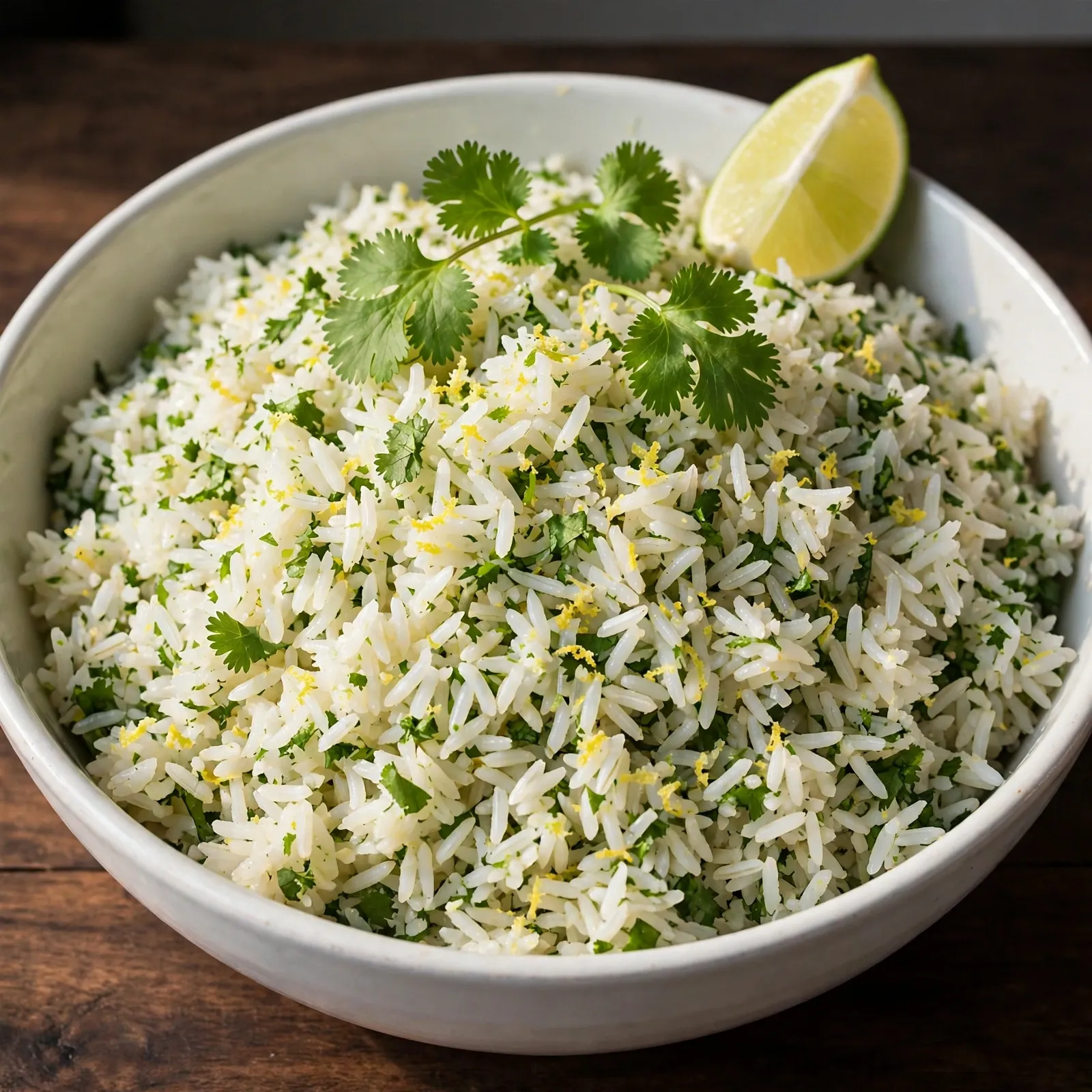
The version of cilantro lime rice that most people are chasing is the one from a burrito bowl: slightly glossy, every grain separate, with a lime brightness that hits at the front of the bite and a fresh herb note that lingers after. The problem with most homemade attempts is that the lime and cilantro go in too early or in the wrong order, and the heat kills the brightness before it ever reaches the bowl. The result is rice that is fine but flat, missing the clean, vivid quality that makes the restaurant version so craveable.
This cilantro lime rice recipe fixes that with two specific steps: the lime juice and zest go in off the heat, after the rice has finished cooking and been fluffed, and the cilantro gets folded in at the very last moment before serving so the heat of the rice wilts it slightly without cooking out its volatile flavor compounds. The base is long-grain white rice toasted briefly before the water goes in, which produces a drier, more separated grain than untoasted rice. The whole recipe takes 30 minutes, serves six as a side, and works equally well freshly made or reheated the next day.
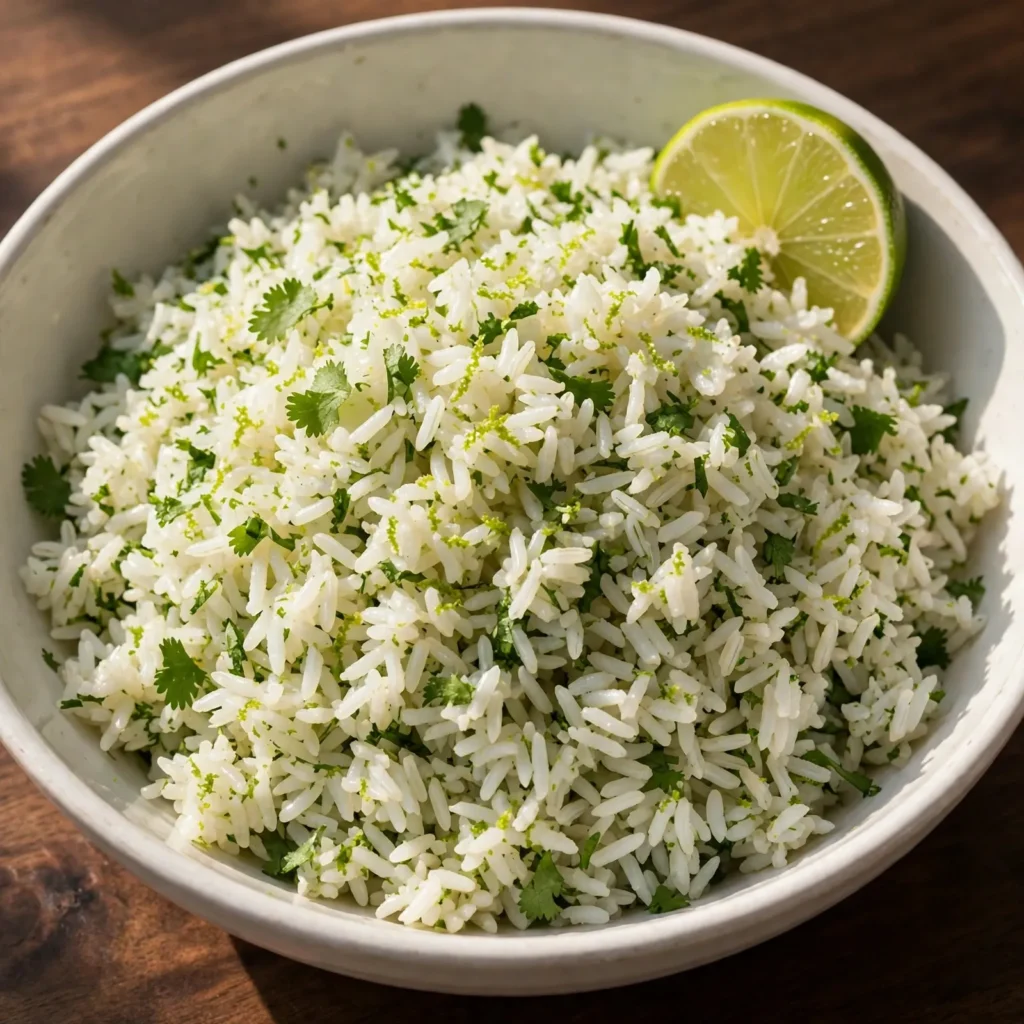
Why You’ll Love This Cilantro Lime Rice
- The lime flavor is genuinely bright, not faded. Adding the lime juice and zest off the heat after cooking preserves the citrus’s volatile aromatics. Heat destroys these compounds quickly, which is why rice seasoned before or during cooking tastes flat and vaguely sour rather than fresh and vibrant.
- Every grain is separate and fluffy. Toasting the dry rice in butter for 2 minutes before any liquid goes in coats each grain in a thin fat layer that helps it cook up individually rather than clumping. The result looks and eats like restaurant rice rather than a stodgy, sticky side.
- Ready in 30 minutes with one pot. The rice cooks in a saucepan with a tight-fitting lid. Nothing goes into another pan, and the active effort is under 10 minutes. The rest is hands-off time on the stove.
- Works with a wide range of meals. Cilantro lime rice pairs naturally with anything in the Mexican and Tex-Mex universe, but it is also good alongside grilled chicken, shrimp, roasted vegetables, or any protein that benefits from a bright, herby rice alongside it.
- Holds up well as a leftover. Unlike plain steamed rice, which can taste dry and bland the next day, cilantro lime rice retains its flavor well after refrigeration because the lime and fat coat the grains and prevent them from drying out as quickly.
Ingredients You’ll Need
Recipe Timing
| Detail | Info |
|---|---|
| Servings | 6 |
| Difficulty | Easy |
| Course | Side Dish |
| Cuisine | Mexican-Inspired, Tex-Mex |
| Prep Time | 5 minutes |
| Cook Time | 20 minutes |
| Rest Time | 5 minutes |
| Total Time | 30 minutes |
The most important ingredient decision in this recipe is the rice variety. Use long-grain white rice: basmati or standard long-grain are both excellent choices. Long-grain rice has a lower starch content than medium or short-grain varieties, which means the cooked grains stay separate and dry rather than sticking together. Medium-grain rice (like Arborio or sushi rice) releases starch aggressively and will produce a sticky, clumped result no matter how well you toast it. Rinse the rice until the water runs clear before cooking to remove the surface starch that causes gumminess.
For the limes, use fresh limes only. Bottled lime juice lacks the volatile aromatic compounds that fresh juice carries, and no amount of extra squeezing will replicate the brightness of a freshly cut lime. You need the zest as well as the juice: the zest contains the essential oils that give lime its distinctively fragrant, slightly floral quality that juice alone doesn’t fully deliver. Zest the limes before juicing them, since a juiced lime is harder to zest cleanly.
For the cilantro, use fresh cilantro with its stems. The stems carry significant flavor and are tender enough to fold directly into the rice without any rough texture. Chop the cilantro just before folding it in: pre-chopped cilantro sitting on a cutting board loses its freshness quickly.
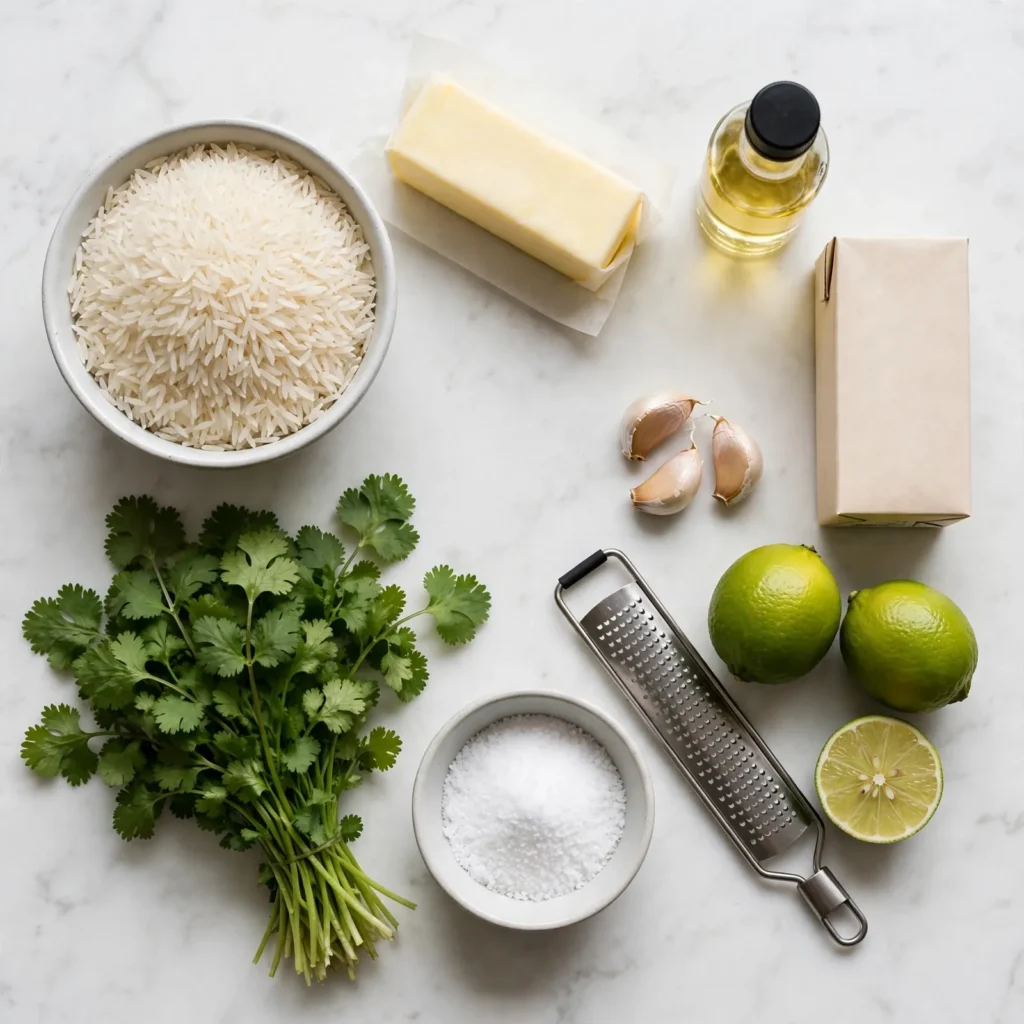
- 1 1/2 cups (285g) long-grain white rice or basmati. The structural base of the dish. Rinsed until the water runs clear and dried briefly before toasting.
- 1 tablespoon (15g) unsalted butter. Used to toast the rice before cooking. The butter coats each grain individually and adds a subtle richness to the finished rice that neutral oil doesn’t replicate in the same way.
- 1 tablespoon (15ml) neutral oil (vegetable or canola). Combined with the butter for toasting. The oil raises the smoke point of the butter so the rice toasts evenly without the butter burning.
- 3 cloves garlic, finely minced. Cooked briefly in the butter and oil before the water goes in. Adds a savory, aromatic base that prevents the finished rice from tasting one-dimensionally citrusy.
- 2 1/4 cups (540ml) low-sodium chicken broth or water. The cooking liquid. Chicken broth adds a mild savory depth that makes the rice more flavorful as a standalone side dish. Water works well too and keeps the recipe fully vegetarian.
- 1/2 teaspoon fine sea salt.
- 3 tablespoons (45ml) fresh lime juice (about 2 limes). Added off the heat after cooking. The fresh acid brightens the rice and is the defining flavor note of the dish.
- 1 teaspoon fresh lime zest (from the same 2 limes). Stirred in with the juice. The zest contributes the fragrant essential oils that make lime taste like lime rather than just sourness.
- 1/2 cup (20g) fresh cilantro, roughly chopped (leaves and tender stems). Folded in at the very last moment. The heat of the just-cooked rice wilts the cilantro slightly, which releases its flavor without destroying it.
- 1 tablespoon (15ml) extra lime juice, for serving (optional). A small extra squeeze over the finished rice before it reaches the table reinforces the brightness, especially if the rice has been sitting for a few minutes before plating.
Step-by-Step Directions
Step 1: Rinse and Dry the Rice
Place the rice in a fine mesh strainer and rinse under cold running water, moving it with your hand, until the water coming off it runs completely clear. This takes about 60 seconds and removes the surface starch that causes cooked rice to clump and stick. Shake the strainer firmly to drain as much water as possible, then spread the rinsed rice on a clean kitchen towel or paper towels for 2 minutes to dry the surface slightly. Wet rice going into a hot pan steams immediately rather than toasting, which defeats the purpose of the toasting step.

Chef’s Note: Rinsing until clear is one of those steps that feels unnecessary until you skip it once. The difference between rinsed and unrinsed rice in a dish where separate, fluffy grains matter is immediately visible: rinsed rice cooks up light and distinct; unrinsed rice carries enough residual starch to make the grains tacky and prone to clumping by the time they reach the bowl.
Step 2: Toast the Rice in Butter and Oil
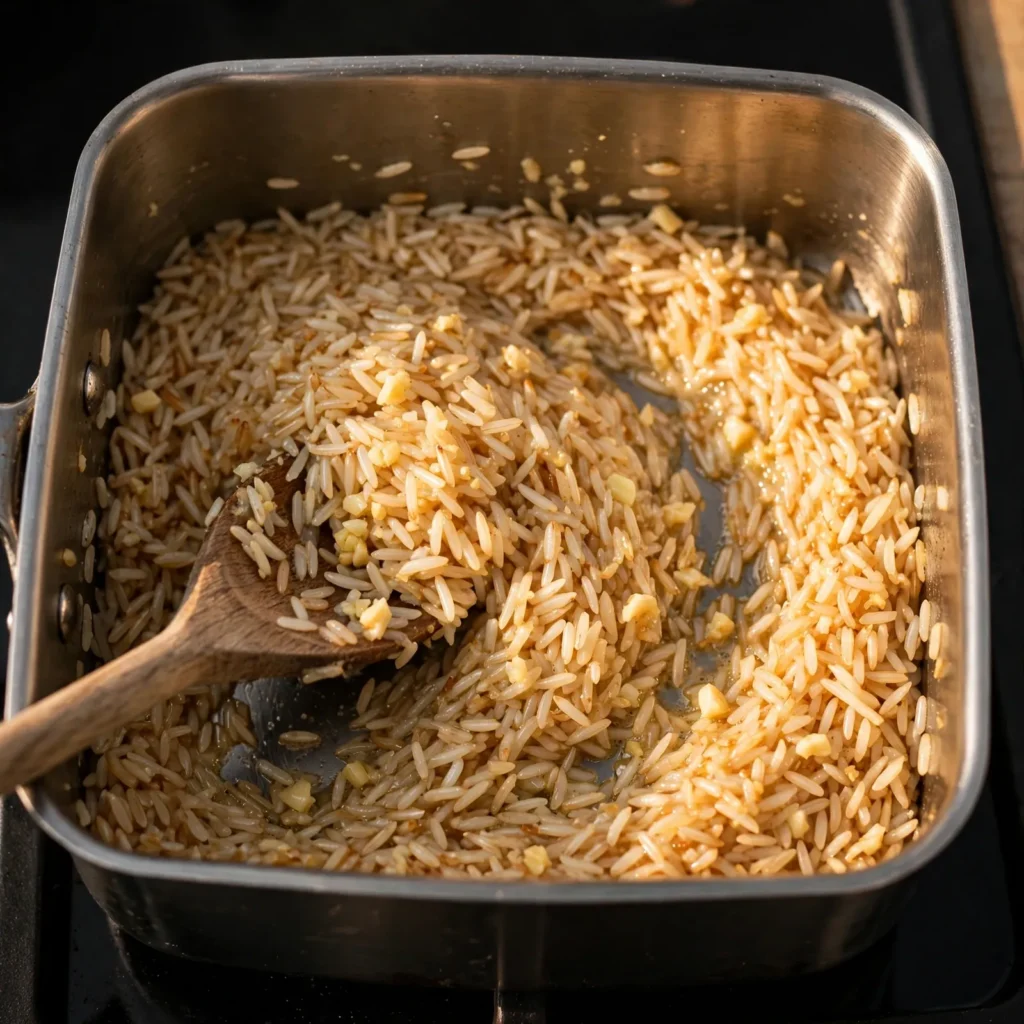
Melt the butter with the oil in a medium saucepan over medium heat. Once the butter has fully melted and the foam from the dairy solids begins to subside, add the rinsed, surface-dried rice. Stir constantly with a wooden spoon for 2 minutes, keeping every grain moving to prevent any piece from sitting on the hot pan surface long enough to burn. The rice is ready to move on when it smells faintly nutty and looks very slightly golden at some of the grains’ edges: not deeply browned, just lightly toasted. Add the minced garlic and stir for another 30 seconds until fragrant.
Chef’s Note: Two minutes of constant stirring feels long when you are standing there doing it, but this is the step that determines the texture of the finished rice. The butter and oil coat each grain in a thin fat layer that physically separates it from its neighbors during cooking, and the light toast creates a slightly firmer outer surface on each grain that holds up through the simmer rather than softening into a sticky mass.
Step 3: Add the Broth and Salt
Pour the chicken broth (or water) into the pan with the toasted rice and garlic. Add the salt and stir once to combine. Raise the heat to medium-high and bring the liquid to a full, rolling boil, watching the pan to catch it before it boils over. Once it reaches a full boil, reduce the heat immediately to the lowest setting your stove can produce, place the lid tightly on the saucepan, and leave it completely undisturbed. Do not lift the lid at any point during cooking: the steam inside the covered pot is what cooks the rice evenly from top to bottom, and every time the lid is lifted, a burst of steam escapes and the cooking process resets.
Step 4: Cook Undisturbed for 18 Minutes
With the lid firmly in place and the heat on its lowest setting, cook the rice for exactly 18 minutes. Set a timer and do not check on the rice until it goes off. At 18 minutes, the water should be fully absorbed and the rice should be tender all the way through. If you can still hear active simmering when you tilt the pan gently without lifting the lid, give it 2 more minutes. If the rice looks fully cooked but there is still a visible puddle of water at the surface, re-cover and give it another 3 minutes on low.
Chef’s Note: The consistent low heat throughout the 18 minutes is the key to rice that cooks evenly without the bottom layer burning while the top layer remains underdone. If your stove’s lowest burner setting still seems to bubble aggressively under the lid, move the pan to a smaller burner or use a heat diffuser if you have one.
Step 5: Rest the Rice Off the Heat
Remove the saucepan from the heat completely and leave the lid in place for 5 minutes. This rest period allows the steam trapped inside the pot to redistribute through the cooked rice, equalizing the moisture between the slightly drier top layer and the slightly more moist bottom layer. It also allows the starches in the rice to finish setting, which is why rice fluffed immediately after cooking can be gummy while rice given 5 minutes of rest fluffs up cleanly into individual grains.
Step 6: Add Lime Juice, Zest, and Fluff
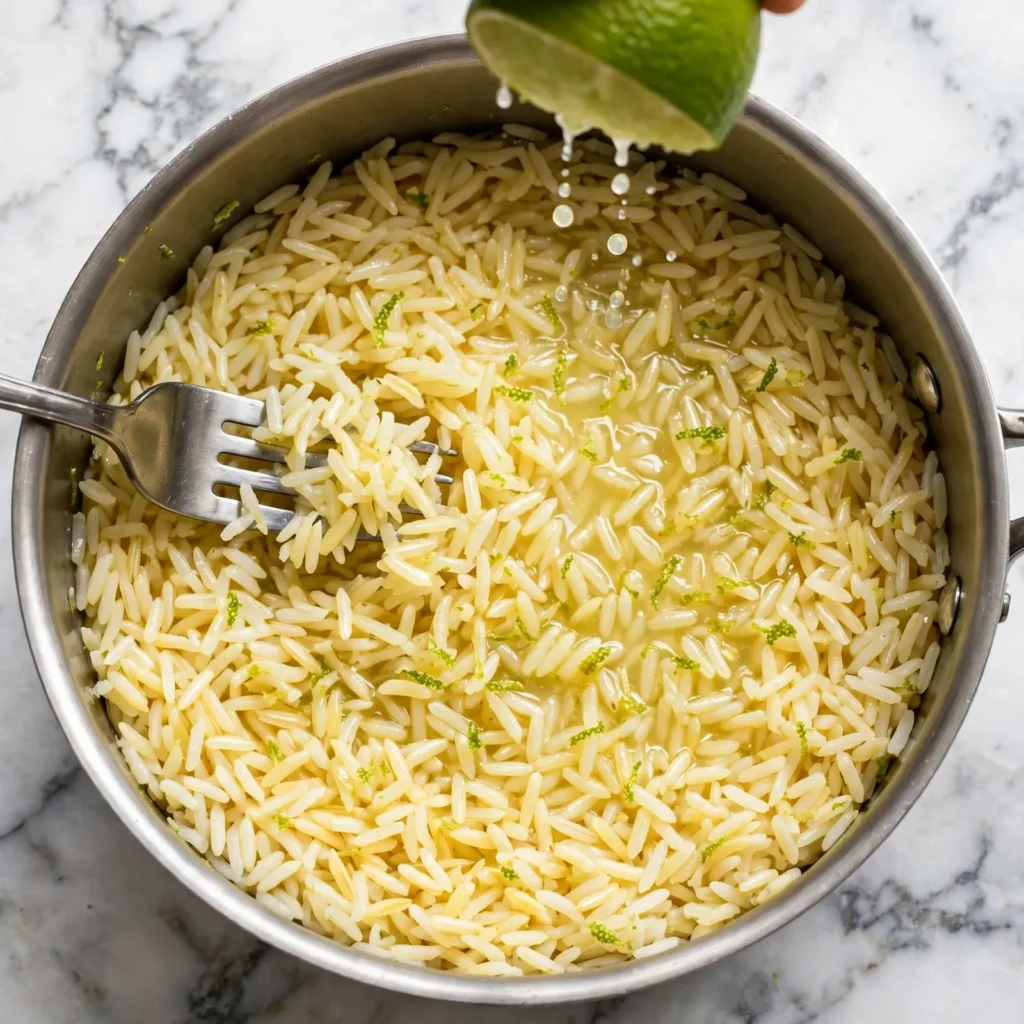
After the 5-minute rest, remove the lid and use a fork, not a spoon, to fluff the rice with gentle lifting motions from the bottom of the pan outward. A fork separates the grains without compressing them the way a spoon does. Once the rice is loosened and fluffy, pour the lime juice over the surface and scatter the lime zest across the top. Fold the lime through with the fork using the same lifting and turning motion, working gently to distribute it evenly without breaking the grains.
Chef’s Note: The lime goes in off the heat for a specific chemical reason. Citric acid is volatile: it begins to break down and lose its bright, fresh character at temperatures above approximately 70°C (160°F). Rice just pulled from the heat and rested is warm enough to absorb the lime flavor but no longer hot enough to cook it away. Lime added during or immediately after cooking, while the pan is still over heat, produces a noticeably flatter, more acidic result than lime added at this off-heat stage.
Step 7: Fold in the Cilantro and Serve
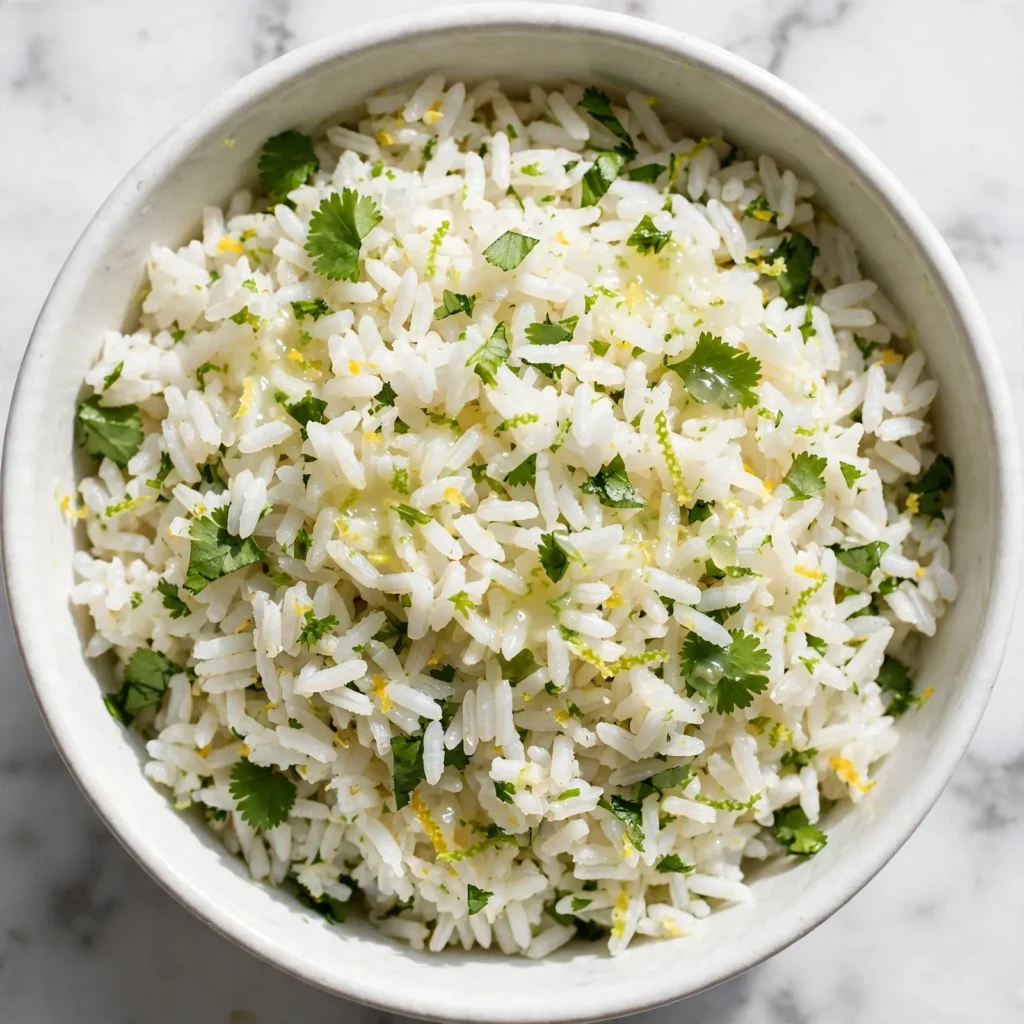
Scatter the freshly chopped cilantro over the lime-seasoned rice. Fold it in with the fork using 3 to 4 gentle turns, just enough to distribute the green through the rice evenly. Don’t overmix: the goal is visible flecks of bright green cilantro throughout the rice, not a uniformly tinted green rice. Taste at this point and add more salt or an extra squeeze of lime if the rice needs sharpening. Transfer to a serving bowl immediately and serve while the cilantro is at its most vibrant.
Common Mistakes and Troubleshooting
| Problem | Cause | Solution |
|---|---|---|
| Rice is sticky and clumped | Rice not rinsed before cooking; not toasted in fat | Rinse until water runs clear every time; toast in butter and oil for a full 2 minutes before adding liquid |
| Lime flavor is flat and sour | Lime added while rice was still hot or over heat | Always add lime juice and zest after the rice has been removed from heat and fluffed; the pan should no longer be on the burner |
| Rice is crunchy at the center after 18 minutes | Too little water; lid lifted during cooking releasing steam | Use exactly 2 1/4 cups liquid per 1 1/2 cups rice; keep lid sealed for the entire cooking time |
| Bottom layer burned while top is underdone | Heat too high during the simmered cook | Use the lowest burner setting possible; once the lid goes on, the heat should produce only faint simmering sounds, not aggressive bubbling |
| Cilantro wilted and lost its color | Added too early while rice was too hot; pre-chopped and sitting too long | Add cilantro last, just before serving; chop it immediately before folding in |
| Rice is waterlogged and mushy | Too much liquid; heat too high caused too much liquid absorption before grains cooked through | Stick to the 2 1/4 cup ratio; reduce heat immediately at the simmer stage |
Variations and Substitutions
Brown Rice Version: Substitute long-grain brown rice in the same quantity. Brown rice requires more liquid (use 2 3/4 cups) and a longer cook time (35 to 40 minutes on low rather than 18). Toast the brown rice the same way. The finished dish has a nuttier flavor and chewier texture that works particularly well as a base for grain bowls.
Coconut Cilantro Lime Rice: Replace the chicken broth or water with an equal amount of full-fat coconut milk combined with water (use 1 cup coconut milk and 1 1/4 cups water to make up the 2 1/4 cup total). The coconut adds a creamy, slightly sweet background note that pairs particularly well with Southeast Asian-inspired dishes and grilled shrimp.
Spiced Version with Cumin: Add 1/2 teaspoon of ground cumin and 1/4 teaspoon of smoked paprika to the pan alongside the garlic during the toasting step. The spices bloom briefly in the fat before the broth goes in, adding a warm, slightly smoky depth that moves the rice toward a more fully seasoned Mexican rice character without losing the cilantro-lime freshness.
Cauliflower Rice Version: Replace the white rice with 500g of raw cauliflower rice (grated or food-processed cauliflower). Skip the toasting step. Cook the cauliflower rice in the butter, oil, and garlic over medium-high heat for 4 to 5 minutes, stirring frequently, until any released moisture evaporates and the cauliflower looks dry and lightly golden at the edges. Remove from heat and add the lime juice, zest, and cilantro. The result is a lower-carbohydrate version with a fresher, more delicate texture.
Garlic Butter Cilantro Lime Rice: Double the garlic to 6 cloves and add an extra tablespoon of butter off the heat alongside the lime. The additional garlic and butter create a richer, more savory base that makes the rice satisfying as a standalone side rather than purely a supporting element.
Lemon and Herb Version: Replace the lime with lemon (same quantities of juice and zest) and swap the cilantro for a combination of fresh flat-leaf parsley and fresh mint, chopped together in equal amounts. This variation shifts the flavor profile toward Mediterranean and works particularly well alongside grilled chicken, fish, or lamb.
Serving Suggestions
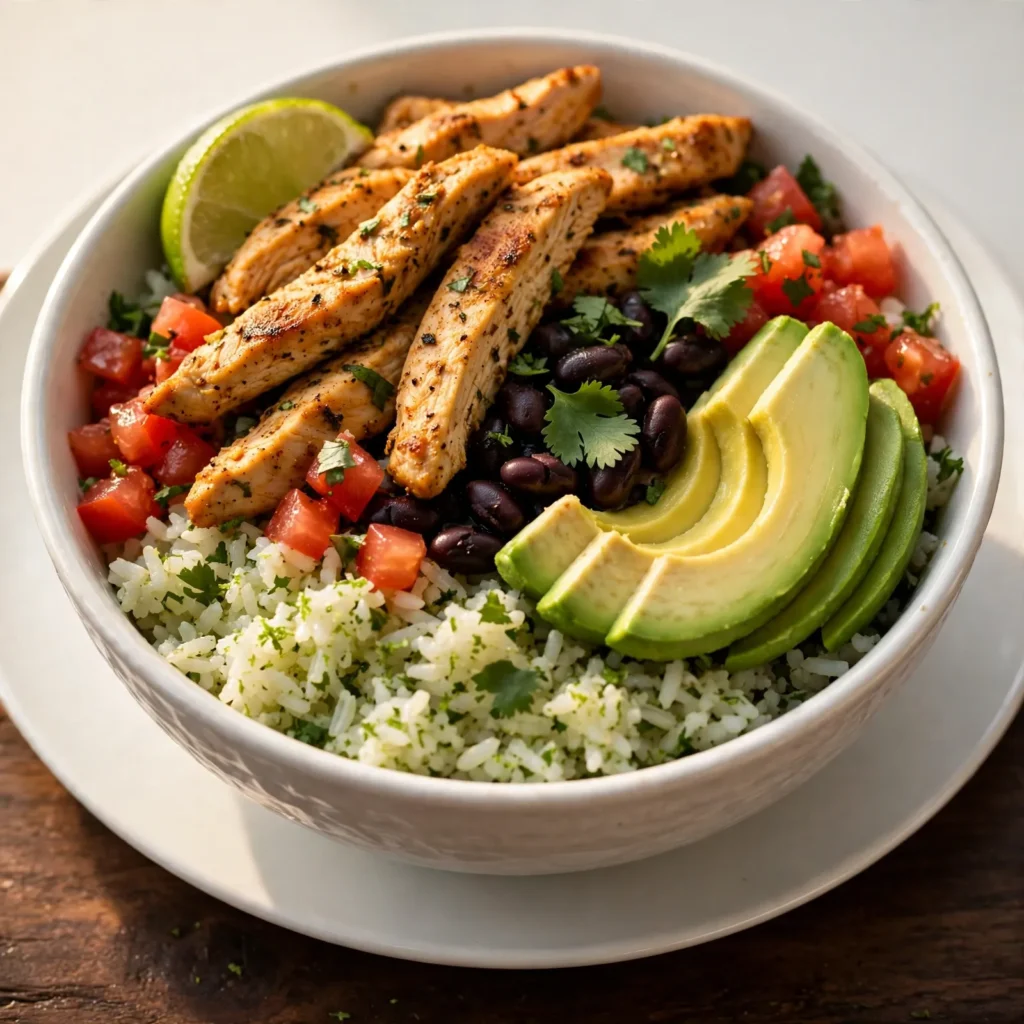
- As the base of a burrito bowl. Cilantro lime rice is the foundational layer for a homemade burrito bowl. Spoon it into a wide bowl and build upward with seasoned beef or chicken, black beans, roasted corn, tomato salsa, sliced avocado, and a drizzle of sour cream or plain yogurt.
- Alongside grilled chicken thighs. The brightness of the lime and herbs cuts through the savory, slightly charred quality of grilled chicken in a way that makes the two genuinely complementary rather than just compatible.
- With beef or chicken fajitas. Served on the side of sizzling fajita strips with warm tortillas, the rice adds substance to the meal and soaks up any fajita juices that collect on the plate.
- Under a spiced shrimp stir-fry. A bowl of cilantro lime rice under quickly cooked shrimp tossed in cumin, paprika, and garlic takes 20 minutes total and eats like a complete, restaurant-quality dinner.
- As a salad grain base. Cooled to room temperature, cilantro lime rice works as the grain component of a salad. Toss it with black beans, roasted bell peppers, corn, and a simple lime vinaigrette for a grain salad that holds up for days.
- As a side for fish tacos. A small portion of cilantro lime rice alongside crispy baked or pan-fried fish tacos with shredded cabbage and a crema drizzle rounds out the plate without adding any complexity to the meal prep.
Tips for the Best Results
- Use a fork, not a spoon, for fluffing. A fork’s tines separate the cooked grains individually without compressing them against each other. A spoon drags through the rice and compacts the grains beneath it, creating a denser, more porridge-like texture in the sections that get stirred heavily.
- Zest first, juice second, every time. Zesting a whole lime takes 30 seconds and produces a tablespoon of aromatic zest. Zesting a lime that has already been squeezed is difficult, slower, and produces less zest because the skin collapses under the zester. This is a small sequencing detail that saves frustration every time.
- Don’t skip the 5-minute covered rest. The rest period off the heat is when the moisture equalizes through the cooked rice, the starches finish setting, and the grains firm up enough to separate cleanly when fluffed. Rice lifted from the heat and immediately uncovered and stirred will be wetter and stickier than rice given the full rest.
- Add cilantro just before serving, not before. Cilantro begins to lose its volatile flavor compounds and its bright green color within minutes of being exposed to heat. Folded in at the last possible moment, it looks vivid and tastes fresh. Added even 5 minutes before serving, it starts to wilt to a dull olive color and the flavor fades noticeably.
- Taste with a lime wedge at the table. Individual preferences for lime brightness vary considerably. Finishing the rice as written produces a balanced, moderately bright version. Setting a small bowl of lime wedges at the table lets everyone add more directly to their portion, which is a better approach than making the base rice more aggressively sour than some people want.
Storage Tips
Refrigerator
Transfer cooled cilantro lime rice to an airtight container and refrigerate for up to 4 days. The lime flavor mellows slightly overnight as the acid continues to interact with the starch in the rice, and the cilantro color fades from bright green to a darker olive. The flavor remains good throughout. Store without additional lime or fresh cilantro on top: add both fresh when serving leftovers to restore the brightness the dish loses in storage.
Freezer
Cilantro lime rice freezes well. Cool it completely, portion into freezer-safe bags or containers, and freeze for up to 2 months. The individual grain texture holds up better through freezing than many rice dishes because the toasting step and the fat coating provide some protection against the grain walls breaking down during the freeze-thaw cycle. Thaw overnight in the refrigerator or directly in the microwave from frozen.
Reheating
From the fridge: add 1 to 2 tablespoons of water per cup of rice to the container or pan before reheating. Microwave at full power for 90 seconds, stir once, then heat for another 30 to 60 seconds until hot throughout. From frozen: microwave straight from the freezer at 50% power in 2-minute intervals, stirring between each, until heated through. In both cases, add a fresh squeeze of lime juice and a small handful of freshly chopped cilantro after reheating to bring the brightness back. The reheated rice will never be identical to freshly made, but the lime and cilantro added just before serving come close.
Nutrition Information
Per serving (approximately 1/6 of the full recipe, about 150g cooked rice)
| Nutrient | Amount |
|---|---|
| Calories | 215 kcal |
| Protein | 4g |
| Carbohydrates | 40g |
| Fiber | 0.5g |
| Sugar | 0.5g |
| Total Fat | 4g |
| Saturated Fat | 1.5g |
| Cholesterol | 5mg |
| Sodium | 230mg |
| Vitamin C | 6mg |
| Calcium | 20mg |
| Iron | 0.5mg |
| Potassium | 85mg |
Nutrition values are approximate and may vary based on brands and portion sizes. Calculated using chicken broth as the cooking liquid.
Why This Recipe Works
The toasting step is the structural decision that produces a fluffy, grain-separated result rather than a sticky clump. When dry rice grains are added to hot fat and stirred for 2 minutes, two things happen simultaneously. The outer starch layer of each grain absorbs a small amount of the fat, creating a physical barrier between the grain and its neighbors that prevents them from adhering during cooking. The brief heat exposure also dehydrates the outer layer of the grain slightly, which firms the surface just enough that the grain holds its shape through the simmer rather than softening and releasing starch aggressively into the cooking water. This is the same principle behind pilaf-style rice cooking used across dozens of cuisines: fat plus brief heat equals separated grains.
Adding lime juice off the heat, after resting, is not a style preference: it is chemistry. Fresh lime juice contains citric acid and a range of volatile aromatic compounds including limonene, responsible for lime’s distinctive citrus fragrance, and various terpenes. These compounds begin to degrade and evaporate at temperatures above 70°C (160°F). A pan of rice still over direct heat, or even just pulled from the heat without the 5-minute rest, sits at well above that temperature. Lime juice added at that stage loses most of its fragrant character within 60 to 90 seconds of contact, leaving behind only citric acid, which tastes flat and sour rather than bright and fresh. Off the heat and after resting, the rice is warm but below the threshold at which these compounds degrade, which is why the lime character in the finished dish is vivid and immediate.
The 5-minute covered rest is a passive step with significant active consequences. During the 18-minute cook, the bottom layer of rice closest to the heat source absorbs more moisture and is slightly more cooked than the top layer, which depends almost entirely on steam from the liquid below. When the lid stays on for 5 minutes off the heat, the steam inside the pot redistributes: it moves upward from the wetter bottom layer and condenses into the slightly drier top layer, equalizing the moisture distribution through the entire pot. The starches in the rice grains also finish gelatinizing during this period, setting the grain structure so that when the fork goes in, each grain separates cleanly rather than tearing and releasing starch into its neighbors.
The combination of lime juice and lime zest rather than juice alone is the detail that most closely replicates the restaurant-style brightness of a well-made cilantro lime rice. The zest contains essential oils that are distinct from the juice: they are richer, more aromatic, and less acidic, providing a fragrant lime character that juice alone doesn’t deliver fully. Using both gives the rice a layered lime flavor, the acid brightness from the juice and the aromatic complexity from the zest, that registers as more interesting and complete than either component would produce individually.
I’ve tested this recipe with water as the cooking liquid and with low-sodium chicken broth in side-by-side batches. The broth version had a noticeably richer, more savory background flavor that made the finished rice feel more complete as a standalone side dish. The water version was clean and bright but slightly one-dimensional without anything else on the plate. The broth choice is a practical recommendation rather than a mandatory one.
Frequently Asked Questions
Can I make cilantro lime rice ahead of time?
Yes. Make the full batch, cool completely, and refrigerate in an airtight container for up to 4 days. When serving, reheat with a tablespoon of water per cup of rice, then add a fresh squeeze of lime juice and a small handful of newly chopped cilantro before plating. The reheated rice tastes very close to freshly made because the lime and cilantro restore the brightness that fades during storage.
Why does my cilantro lime rice taste flat even though I used lime?
Flat-tasting cilantro lime rice almost always means the lime went in too early, while the rice was still too hot. The volatile aroma compounds in fresh lime juice evaporate quickly at cooking temperatures, leaving only citric acid behind, which tastes sour and one-dimensional rather than bright and fresh. Add lime juice and zest strictly after removing the pan from heat, and give the rice the full 5-minute rest with the lid on before the lime goes in.
Can I use basmati rice instead of regular long-grain white rice?
Yes. Basmati is actually the preferred choice for this recipe among the long-grain varieties because its grains are longer and slimmer, which means they separate even more cleanly than standard long-grain after cooking. Rinse and toast it the same way. The cooking ratio and time stay the same (2 1/4 cups liquid, 18 minutes on low). Basmati also has a faint natural fragrance that complements the lime and cilantro well.
How much lime juice should I use for a stronger lime flavor?
This recipe uses 3 tablespoons of fresh lime juice, which produces a balanced, moderately bright lime character. For a more assertive lime presence, increase to 4 tablespoons and add an extra half teaspoon of zest. Beyond that, the rice starts to taste more acidic than fresh. Setting lime wedges at the table and letting people squeeze more directly onto their own portion is the most practical way to accommodate a range of lime preferences without making the base rice too tart for some people.
Is cilantro lime rice gluten-free?
Yes. Long-grain white rice, butter, oil, garlic, chicken broth, lime, cilantro, and salt are all naturally gluten-free. The only ingredient to verify is the chicken broth: some brands add wheat-based ingredients as flavoring or thickening agents. Check the label for a certified gluten-free designation if serving to someone with celiac disease or a serious gluten sensitivity. Using water instead of broth makes the recipe unambiguously gluten-free without any label checking required.
Can I use dried cilantro instead of fresh?
Dried cilantro is not a workable substitute here. The fresh herb’s bright, slightly citrusy flavor and its ability to add color and visual freshness to the rice are both properties that drying eliminates entirely. Dried cilantro has a muted, hay-like flavor that does not resemble the fresh herb in any meaningful way and will not produce the bright, vibrant quality the recipe is built around. If fresh cilantro is unavailable, fresh flat-leaf parsley makes a more suitable visual and flavor substitute than dried cilantro of any kind.
Can I use olive oil instead of butter and neutral oil?
Yes, olive oil can replace both fats in the same total quantity (2 tablespoons total). The flavor difference is minor: olive oil adds a faintly fruity, herbal background note in place of butter’s richness. The toasting and grain-separation function of the fat is identical regardless of which fat you use. For a fully dairy-free version, 2 tablespoons of olive oil or refined coconut oil in place of the butter and neutral oil combination works well without any adjustment to the recipe.
Conclusion
Cilantro lime rice works when the technique matches what each ingredient needs. The rice gets toasted for texture. The broth builds a savory foundation. The lime goes in off the heat to stay vivid. The cilantro goes in last to stay green and fresh. None of these steps is complicated individually, and none takes more than a few minutes: the cumulative effect of doing all of them in the right order is a rice dish that tastes genuinely bright and well-seasoned rather than like a plain side that someone squeezed a lime over at the end. Make cilantro lime rice this way once and the difference from a version that skips the toasting or adds the lime too early is immediately clear.
If you loved this recipe, save it to your easy side dish recipes Pinterest board so you can find it easily later. For more recipes and daily food inspiration, follow TheCookingVibes on Pinterest.
Easy Cilantro Lime Rice
Ingredients
Equipment
Method
- Rinse rice in a fine mesh strainer under cold water until the water runs completely clear. Shake off excess water and let surface-dry briefly on paper towels.
- Heat butter and oil in a medium saucepan over medium heat. Once butter is fully melted and foaming, add the dried rice. Stir constantly for 2 minutes until rice smells faintly nutty and some grains look very lightly golden. Add garlic, stir 30 seconds.
- Pour in broth or water, add salt, and stir once. Bring to a full boil over medium-high heat. Immediately reduce to the lowest setting, cover tightly, and cook undisturbed for 18 minutes.
- Remove saucepan from heat entirely. Keep lid on and rest for 5 minutes. Do not lift the lid.
- After resting, remove lid and fluff rice gently with a fork using lifting motions from the pan bottom. Pour lime juice over the surface and scatter zest across the top. Fold through with the fork until evenly distributed.
- Scatter chopped cilantro over the rice and fold through with 3 to 4 gentle turns. Taste and adjust salt or add more lime if needed. Serve immediately.
Notes
- Add lime juice and zest strictly off the heat after fluffing: lime added while the pan is still hot loses its fresh aromatic character within 60 to 90 seconds.
- Toast the rinsed, surface-dried rice in fat for the full 2 minutes before any liquid goes in: this is what produces individually separated grains rather than a sticky result.
- Do not lift the lid during the 18-minute cook: the steam inside is what cooks the rice evenly from top to bottom.
- Add cilantro at the very last moment before serving to keep it bright green and fresh-tasting.